
Top Stories
KFF Health News’ ‘What the Health?’: The Supreme Court and the Abortion Pill
Since the Supreme Court overturned Roe v. Wade in 2022, the landscape of abortion rights in the United S...
TAMFIS NIG LTDRC 8067447CAC ACTIVEFinima, Bonny Island, Rivers State

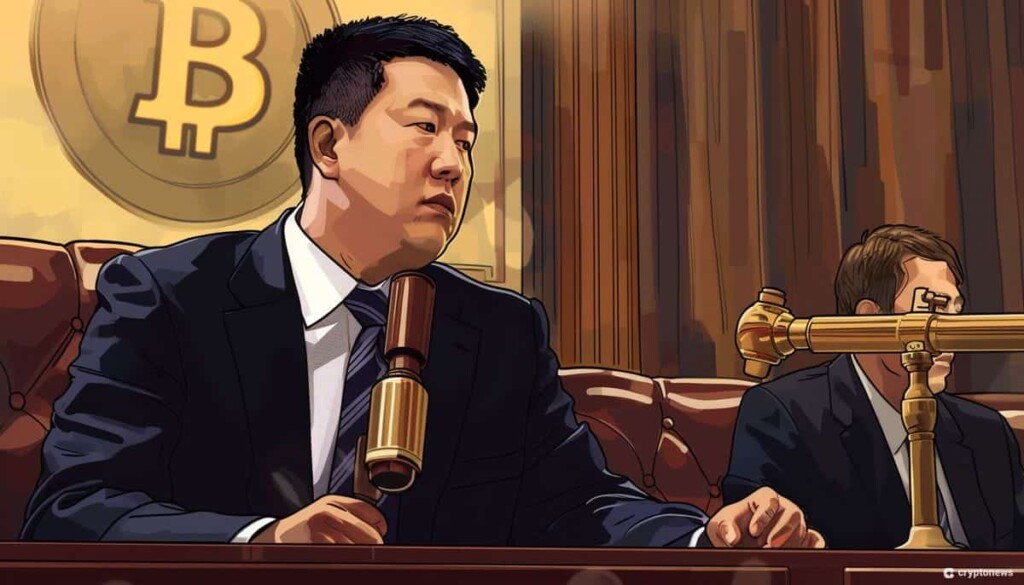
In a pivotal moment for cryptocurrency regulation and investor protection, Terraform Labs and its co-founder Do Kwon have been found guilty of fraud by a jury in the U.S. District Court for the Southern District of New York. The case, brought by the U.S. Securities and Exchange Commission (SEC), centered on allegations that Terraform Labs and Kwon misled investors about the stability and security of their crypto assets, including the algorithmic stablecoin Terra USD (UST). This verdict marks a significant development in the ongoing scrutiny of cryptocurrency projects and their accountability. This article delves into the details of the case, the trial proceedings, and the broader impact on the crypto market.
Terraform Labs was a prominent blockchain company best known for developing Terra USD (UST), an algorithmic stablecoin aimed at providing a decentralized and stable digital currency. The platform also featured Luna and wLUNA tokens, which played integral roles in its ecosystem. Despite early enthusiasm, the stability of UST came under question, leading to significant instability in May 2022.
The collapse of Terra USD triggered a cascade of losses across the cryptocurrency market, severely impacting investors and shaking confidence in algorithmic stablecoins. The fall of UST and Luna not only erased billions in market value but also contributed to the financial distress of major crypto firms like FTX, BlockFi, and Celsius, which later filed for bankruptcy.
This dramatic failure prompted regulatory scrutiny and ultimately led the SEC to file a lawsuit against Terraform Labs and Do Kwon, accusing them of orchestrating a multi-billion dollar fraud by misleading investors about the security and robustness of their crypto assets.
The SEC's complaint alleged that Terraform Labs and Do Kwon engaged in deceptive practices by misrepresenting the financial health and security of Terra USD and related tokens. The agency argued that the defendants falsely assured investors about the stability mechanisms underpinning the algorithmic stablecoin, which were in reality flawed and vulnerable.
Additionally, the SEC highlighted that Terraform Labs misled investors about the risks associated with their blockchain technology, particularly regarding the use of a popular payment application that allegedly exposed the blockchain to vulnerabilities in processing and settling transactions.
These allegations framed Terraform Labs and Do Kwon as having acted recklessly, issuing spurious and misleading statements that artificially inflated investor confidence and the market value of their crypto assets.
The trial took place over two weeks in early April 2024 in the Southern District of New York federal court. The proceedings included detailed presentations of evidence, witness testimonies, and closing arguments from both the SEC and the defense team representing Terraform Labs and Do Kwon.
Throughout the trial, SEC attorneys portrayed Terraform Labs as a 'house of cards,' emphasizing the fragile and deceptive nature of the company's claims. The jury ultimately found Terraform Labs and Do Kwon responsible for six counts related to securities fraud and misleading investors.
This verdict confirms the SEC’s position that the defendants knowingly misrepresented material facts about Terra USD and its associated tokens, leading to significant investor losses and market disruption.
The jury's findings hold Terraform Labs and Do Kwon liable for multiple charges, including fraud related to the offer and sale of TerraUSD (UST), Luna, and wLUNA tokens. The court determined that these digital assets qualified as securities under U.S. law and that Terraform Labs failed to comply with registration requirements.
A critical aspect of the case was the classification of algorithmic stablecoins and crypto tokens as securities, which has far-reaching consequences for the crypto industry. The ruling reinforces the SEC's authority to regulate and prosecute fraudulent activities involving digital asset securities.
Furthermore, the verdict paves the way for potential financial penalties and injunctions against Terraform Labs and Do Kwon, as well as heightened regulatory scrutiny on similar projects that operate with insufficient transparency or investor safeguards.
The collapse of Terraform Labs and the subsequent SEC case have sent shockwaves through the cryptocurrency ecosystem, raising questions about the viability and regulation of algorithmic stablecoins. Investors and market participants are now more cautious about projects lacking clear regulatory compliance and transparent risk disclosures.
The downfall of Terra USD contributed to a broader market downturn in 2022 and exposed vulnerabilities in the crypto lending and trading sectors. The fallout included bankruptcies of major firms and loss of investor confidence, highlighting the systemic risks posed by unregulated or poorly managed crypto assets.
In response to the verdict, industry stakeholders are calling for clearer regulatory frameworks and stricter enforcement to prevent similar frauds in the future. This case serves as a cautionary tale underscoring the need for investor education and due diligence in the rapidly evolving crypto landscape.
Alongside the SEC case, Do Kwon faces extradition proceedings involving competing requests from the United States and South Korea. Kwon’s legal team is advocating for extradition to South Korea, where analysts believe he may face a more lenient sentence compared to potential U.S. penalties.
Recently, Montenegro’s Supreme Court upheld a lower court’s decision approving Kwon’s extradition, but the process remains complex as authorities weigh the competing claims. The outcome of this legal battle will significantly influence the enforcement of the SEC’s verdict and Kwon’s accountability.
The extradition case highlights the challenges of cross-border enforcement in the crypto sector and raises questions about international cooperation in prosecuting financial crimes involving digital assets.
The SEC Enforcement Director, Gurbir Grewal, publicly praised the verdict as a victory for investor protection and regulatory oversight in the crypto space. He emphasized the importance of holding companies and executives accountable for fraudulent conduct that undermines market integrity.
Within the crypto community, reactions have been mixed. Some view the ruling as a necessary step toward legitimizing and stabilizing the industry, while others express concerns that overly aggressive regulation could stifle innovation and decentralization.
Industry experts suggest that this case will influence how future crypto projects approach compliance and transparency, potentially prompting more robust self-regulation and cooperation with authorities to avoid similar legal pitfalls.
The Terraform Labs case sets a precedent for how regulators may pursue enforcement actions against crypto companies and their executives. It signals a shift toward more stringent oversight, especially concerning algorithmic stablecoins and digital asset securities.
Investors can expect increased due diligence requirements and greater scrutiny of crypto projects’ claims about asset stability and security. Regulatory bodies worldwide are likely to coordinate efforts to close loopholes that have allowed fraudulent schemes to flourish.
Ultimately, this case may accelerate the maturation of the cryptocurrency market by fostering greater trust and reliability, provided that regulatory frameworks balance innovation with effective investor safeguards.
The conviction of Terraform Labs and Do Kwon in the SEC’s fraud case represents a watershed moment in cryptocurrency regulation and enforcement. It highlights the risks posed by algorithmic stablecoins and the necessity for transparency and honesty in crypto project operations. As the industry continues to evolve, this case will likely serve as a benchmark for regulatory actions and investor protections, encouraging a more secure and trustworthy crypto ecosystem. Stakeholders must learn from this episode to foster innovation while safeguarding market integrity and consumer confidence.
Originally reported by cryptonews.com. Adapted for our readers.
Keep reading
Top Stories
Since the Supreme Court overturned Roe v. Wade in 2022, the landscape of abortion rights in the United S...
Top Stories
Top Stories Tamfitronics One evening in May, nursing assistant Debra Ragoonanan’s vision blurred during her shift at a state-run Massachusetts vet...
TAMFIS NIG LTD
Electrical and instrumentation engineering, bid preparation and consulting, IT and software.

