
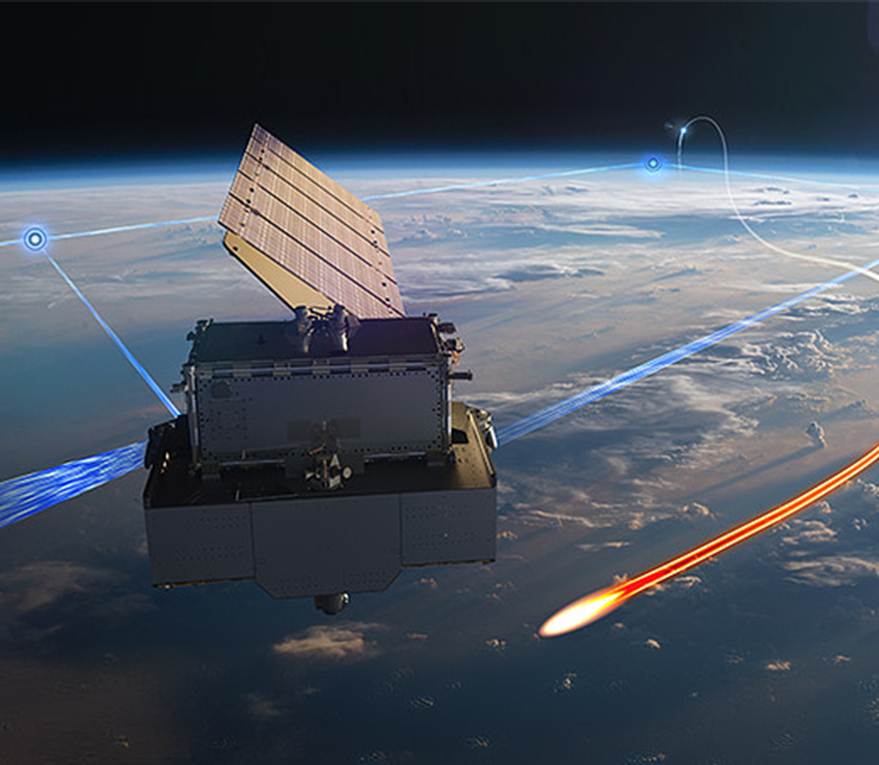
The rapid development and deployment of hypersonic missile technology by near-peer adversaries have escalated the urgency for advanced missile tracking and defense systems. Hypersonic missiles, characterized by their extreme speed, maneuverability, and low flight trajectories, pose significant challenges to traditional missile defense architectures. In response, L3Harris Technologies has emerged as a pivotal player in advancing the United States’ missile warning and defense capabilities. Leveraging decades of expertise and cutting-edge innovation, L3Harris is delivering resilient, integrated space-based solutions that enhance missile detection, tracking, and interception. This article explores the multifaceted advancements by L3Harris in hypersonic missile defense, highlighting key programs, technological innovations, and strategic impacts on U.S. national security.
Understanding the Hypersonic Missile Threat Landscape
Hypersonic missiles travel at speeds exceeding Mach 5, making them incredibly difficult to detect and intercept with conventional missile defense systems. Their ability to maneuver unpredictably during flight paths further complicates tracking efforts. These capabilities enable adversaries to potentially bypass current early warning systems, threatening critical military assets and national infrastructure.
The rapid advancement of hypersonic missile technology by countries such as China and Russia has intensified the global security environment. These weapons are designed to evade missile defense shields and strike with precision, underscoring the need for enhanced detection and tracking mechanisms that can operate in real-time and across multiple domains.
Given these challenges, the U.S. Department of Defense prioritizes the development of innovative missile warning and defense architectures that incorporate space-based sensors and advanced tracking technologies. This approach is essential to provide the military with timely, actionable intelligence to neutralize emerging hypersonic threats effectively.
L3Harris’ Role in Enhancing U.S. Missile Defense Architecture
L3Harris Technologies plays a critical role in modernizing the U.S. missile defense ecosystem by delivering integrated, space-based missile warning and tracking solutions. The company’s expertise spans infrared sensor development, satellite manufacturing, and system integration, enabling the deployment of resilient detection capabilities that address the unique challenges posed by hypersonic missiles.
Central to L3Harris’ approach is the development of a multi-layered missile warning architecture that leverages constellations of satellites operating in various orbits. This architecture enhances coverage, reduces detection gaps, and improves the accuracy of tracking data, ensuring that hypersonic missile launches are identified and monitored throughout their flight.
L3Harris collaborates closely with key U.S. defense agencies, including the Space Development Agency (SDA), Missile Defense Agency (MDA), and U.S. Space Force, to align its technological solutions with the evolving strategic requirements. This partnership ensures rapid development cycles and deployment of cutting-edge systems that maintain U.S. technological superiority.
Key Programs Driving Hypersonic Missile Tracking Innovations
One of the flagship initiatives led by L3Harris is the SDA’s Tranche 1 Tracking Layer program. Under an $800 million contract, L3Harris is building a constellation of 16 advanced satellites designed specifically to detect and track hypersonic missile threats. The program recently passed critical design and production readiness reviews, marking significant progress toward operational deployment.
In early 2024, L3Harris secured a $919 million contract to develop 18 space vehicles for the SDA’s Tranche 2 Tracking Layer program. This next-generation constellation aims to provide near-global missile warning and tracking coverage with preliminary missile defense capabilities, significantly expanding the U.S.’s detection reach and responsiveness.
Additionally, L3Harris is actively developing and testing five missile-tracking satellites for the MDA’s Hypersonic and Ballistic Tracking Space Sensor (HBTSS) program and the SDA’s Tranche 0 Tracking Layer. These satellites, successfully launched from Cape Canaveral, enhance the real-time tracking of hypersonic and ballistic missile trajectories, improving interception opportunities.
Advanced Infrared Sensor Technology for Missile Detection
Infrared (IR) sensor payloads are vital to detecting the heat signatures emitted by hypersonic missiles during flight. L3Harris has leveraged its 60-plus years of expertise in IR technology to design advanced sensors capable of operating in diverse orbital environments, including geosynchronous and medium Earth orbit.
In February 2024, L3Harris completed the Preliminary Design Review for the IR sensor payload destined for the Space Systems Command’s Missile Track Custody (MTC) Epoch 1 satellite constellation. This sensor will provide a resilient and reliable layer of missile detection in medium Earth orbit, enhancing the overall missile tracking architecture.
The integration of sophisticated IR sensors improves the sensitivity and accuracy of missile detection systems, enabling earlier warning times and more precise tracking data. These advancements are crucial for enabling timely defensive responses against the fast-moving hypersonic threats.
Innovative Technology Building Blocks for Cost-Effective Solutions
L3Harris employs a modular technology 'building block' approach across its missile tracking and defense programs. This strategy utilizes common core capabilities and components that can be adapted for different mission requirements, reducing development costs and minimizing technical risks.
By standardizing technology elements across multiple programs, including the SDA, MDA, and U.S. Space Force initiatives, L3Harris ensures interoperability and scalability within the broader U.S. missile defense architecture. This approach prevents redundant investments in unique designs and accelerates deployment timelines.
The building block methodology also enhances system maturity, reliability, and maintainability, providing the U.S. military with flexible and resilient tools to counter evolving missile threats. This efficient use of resources strengthens the nation’s defense posture while optimizing budgetary expenditures.
Strategic Partnerships Accelerate Development and Deployment
L3Harris’ collaboration with governmental agencies such as the SDA, MDA, and Space Systems Command is instrumental in advancing hypersonic missile tracking capabilities. These partnerships facilitate shared expertise, streamlined requirements, and coordinated program management to achieve rapid technological progress.
The company’s integrated approach ensures that satellite constellations, sensor payloads, and ground systems are cohesively designed and tested, enabling seamless operation within the U.S. military’s multi-layered missile defense framework. This integration is critical to maintaining situational awareness and command and control during missile engagements.
Moreover, L3Harris’ alignment with the U.S. Space Force’s strategic objectives underscores its commitment to protecting space-based assets and denying adversaries hostile use of space. This synergy enhances the long-term sustainability and security of the space domain, which is increasingly vital for national defense.
Future Outlook and Upcoming Milestones
Looking ahead, L3Harris plans to complete key milestones that will further enhance hypersonic missile tracking and defense capabilities. These include finalizing the first infrared sensor unit for the SDA’s Tranche 1 Tracking Layer and conducting comprehensive Ground and System Readiness Reviews to ensure operational readiness.
The company is also progressing toward a System Requirements Review, which will validate the technical and functional specifications necessary for integrating new sensor technologies into existing missile defense architectures. These steps are vital to maintaining a competitive edge against rapidly evolving threats.
Continued innovation and investment in space-based missile warning systems by L3Harris will be essential for the U.S. to outpace adversaries developing advanced hypersonic weapons. The company’s sustained efforts underscore its role as a strategic partner in safeguarding national security through technological excellence.
Conclusion
As hypersonic missile threats continue to evolve rapidly, L3Harris Technologies stands at the forefront of enhancing the United States’ missile tracking and defense capabilities. Through innovative space-based sensor technologies, modular design approaches, and strong collaboration with key defense agencies, L3Harris is delivering critical advancements that bolster national security. The company’s ongoing projects and future milestones promise to provide the U.S. military with the necessary tools to detect, track, and counter hypersonic missile threats effectively. In an era where speed and precision are paramount, L3Harris’ commitment to innovation ensures that the United States remains prepared to defend its interests against emerging global challenges.