News
RUSSIA versus NATO and BRICS vs. NATO Military SWOT
Recall that Poland’s Minister Sikorski’s core claim is partially supported by the numbers, but the framing “quite quickly” and “without the U.S.” does not…
TAMFIS NIG LTDRC 8067447CAC ACTIVEFinima, Bonny Island, Rivers State

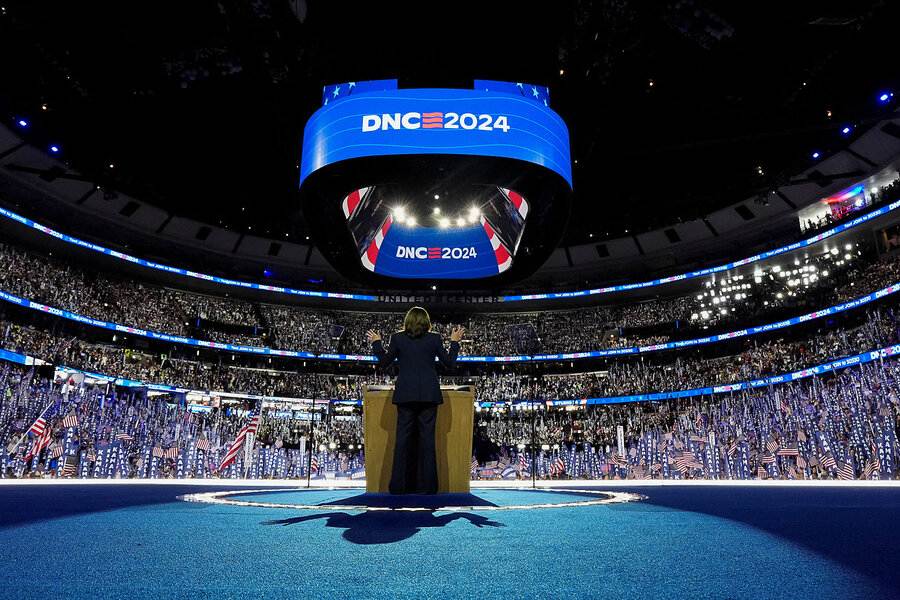
Political conventions are hallmark events in the American electoral process, known for their electrifying energy, dramatic speeches, and fervent displays of party loyalty. For a few days, these gatherings create a unique political bubble where optimism and unity seem almost guaranteed, shaping narratives and energizing bases. However, once the conventions end, the political landscape often shifts rapidly, bringing candidates and voters back to the realities of a complex and unpredictable election season. This article delves into the nature of political conventions as temporary bubbles, their significance, and the challenges that follow when the spotlight moves on.
Political conventions are designed to generate momentum and enthusiasm for candidates and parties. Attendees and viewers alike experience a surge of optimism, often fueled by inspirational speeches, celebrity appearances, and orchestrated displays of unity. This atmosphere creates a sense of inevitability about the party’s success in the upcoming election, a feeling that can feel almost tangible within the convention halls.
This bubble is not accidental; it is carefully crafted by campaign strategists and party leaders to energize supporters, attract media attention, and convey strength. Delegates, activists, and volunteers converge with a shared purpose, often donning themed attire and participating in coordinated chants and rallies that reinforce collective identity and hope.
Yet, this euphoric environment can sometimes mask underlying tensions and uncertainties. The convention bubble often shelters participants from the harsh realities of voter skepticism, political opposition, and shifting public opinion that dominate the broader electoral landscape.
Political conventions are rich in symbolism and emotional moments that resonate deeply with attendees and viewers. For example, the choice of keynote speakers, the unveiling of campaign themes, and the visual spectacle of party regalia all work together to create a powerful narrative about the party’s vision and values.
In recent conventions, moments such as the introduction of a vice-presidential candidate or the tribute to party icons add layers of emotional intensity. This emotional connection helps solidify support and can sometimes sway undecided voters by humanizing candidates and emphasizing shared ideals.
Artists and delegates often express their enthusiasm creatively, such as designing themed clothing or organizing performances that celebrate party heroes and ideals. These personal touches help transform the convention from a political event into a cultural and communal experience.
Despite the optimism and unity displayed during conventions, the post-convention period frequently reveals a more complex and contentious political environment. Polls may tighten, opposition campaigns intensify, and unforeseen events can disrupt the narrative crafted during the bubble phase.
For instance, shifts in candidate popularity, strategic withdrawals, or endorsements can dramatically alter the electoral landscape shortly after conventions conclude. These developments remind observers that conventions are only one part of a long and often unpredictable campaign journey.
The contrast between the convention’s celebratory atmosphere and the pragmatic challenges of campaigning underscores the temporary nature of the political bubble. As campaigns return to the broader electorate, candidates must address substantive policy debates and voter concerns beyond the convention stage.
The 2024 political conventions exemplified the bubble effect and the sudden shifts that can follow. The Democratic convention was marked by heightened emotional intensity due to the unexpected withdrawal of President Joe Biden and the elevation of Vice President Kamala Harris as the presidential candidate, adding a fresh dynamic to the race.
Meanwhile, the Republican convention generated its own wave of optimism, centered on former President Donald Trump’s bid. However, the political landscape quickly evolved with Robert F. Kennedy Jr.’s suspension of his independent campaign and his endorsement of Trump, introducing new complexities to the race.
These rapid developments highlight how conventions can create a temporary narrative bubble that bursts as real-world political maneuvering resumes, forcing campaigns to adapt to changing circumstances and voter sentiments.
Media coverage plays a crucial role in amplifying the energy and significance of political conventions. Live broadcasts, social media engagement, and extensive analysis create a sense of immediacy and importance that can elevate the convention’s impact beyond the event itself.
Journalists often frame conventions as pivotal moments in the election cycle, focusing on dramatic speeches, celebrity endorsements, and symbolic gestures that capture public attention. This coverage contributes to the perception of conventions as transformative events, even if their long-term effects are more nuanced.
However, media narratives can also contribute to the bubble effect by emphasizing positive momentum and downplaying internal party conflicts or electoral challenges. Once the media spotlight shifts, the more sober realities of campaigning become apparent to the public.
For candidates and delegates, conventions offer a rare opportunity to connect with supporters in a highly charged environment, boosting morale and reinforcing commitment to the campaign. This psychological uplift can be critical in sustaining energy for the grueling months ahead.
The sense of unity and purpose experienced during conventions often strengthens party cohesion, helping to heal pre-convention divisions and rally around shared goals. This renewed solidarity can translate into more coordinated campaign efforts.
However, the return to the day-to-day grind of campaigning after the convention can be challenging, as the emotional high gives way to the pressures of fundraising, voter outreach, and message discipline. Maintaining momentum requires strategic focus and resilience.
The political bubble of a convention inevitably bursts because the broader electorate is more diverse and less predictable than the convention audience. Voters outside the bubble weigh a wider range of issues, are influenced by local dynamics, and may be skeptical of the polished narratives presented during conventions.
Campaigns must navigate complex realities such as economic concerns, international events, and social issues that cannot be fully addressed in the controlled environment of a convention. Additionally, opposition campaigns capitalize on post-convention momentum to challenge narratives and mobilize their bases.
This transition back to the real world often exposes gaps between the hopeful vision of the convention and the practical challenges of winning votes, requiring candidates to adjust strategies, deepen outreach, and confront tough questions from the electorate.
To succeed beyond the convention bubble, campaigns must translate the energy and unity generated into sustained voter engagement and clear policy messaging. This requires effective communication strategies that address voters’ real concerns and counter opposition attacks.
Ground game operations, including grassroots organizing, targeted advertising, and voter mobilization, become critical in converting convention enthusiasm into actual votes. Campaigns also need to remain adaptable to shifting political dynamics and emerging issues.
Ultimately, candidates who recognize the limitations of the convention bubble and prepare for the complexities of the broader campaign environment are better positioned to maintain momentum and connect meaningfully with the electorate through to Election Day.
Political conventions serve as powerful, albeit temporary, bubbles in the electoral process, offering moments of unity, hope, and spectacle that invigorate parties and their supporters. However, as the confetti settles and the spotlight fades, campaigns must confront the multifaceted realities of the broader political arena. Understanding the transient nature of the convention bubble and preparing strategically for the challenges that follow can make the difference between fleeting enthusiasm and lasting electoral success. As history and recent elections have shown, the real test begins once the conventions end and the race moves back into the unpredictable world of voter preferences and political competition.
Originally reported by csmonitor.com. Adapted for our readers.
Keep reading
News
Recall that Poland’s Minister Sikorski’s core claim is partially supported by the numbers, but the framing “quite quickly” and “without the U.S.” does not…
Politics
In August 2025, Zespri, the world’s largest marketer of kiwifruit, announced that the European Commission had approved what it described as the first health…
News
By Engr. Tamunofiniarisa BrownReading Time: 6 Minutes The conflict between Russia and Ukraine is often framed in the media as a simple battle between…
TAMFIS NIG LTD
Electrical and instrumentation engineering, bid preparation and consulting, IT and software.