Surveying is a fundamental component of civil engineering that involves the precise measurement and mapping of physical features on the earth’s surface. Civil engineering lectures focusing on surveying are essential for students and professionals alike, offering theoretical knowledge and practical skills required in the field. In fast-paced environments, quick revision classes help consolidate key concepts efficiently. This article delves into surveying civil engineering lectures, emphasizing the role of junior instructors, the use of modern tools, and the educational approach adopted by Civilianz to prepare learners for real-world surveying challenges.
Understanding the Basics of Surveying in Civil Engineering
Surveying is the science and art of determining the relative positions of points above, on, or beneath the earth’s surface. It forms the backbone of civil engineering projects, providing critical data for designing infrastructure such as roads, bridges, and buildings. Basic surveying concepts cover measurements of distances, angles, and elevations, which are essential for accurate mapping and construction planning.
Civil engineering lectures on surveying typically start with foundational topics such as types of surveys, surveying instruments, and units of measurement. Emphasizing accuracy and precision, these lectures prepare students to handle fieldwork challenges and data interpretation effectively. Understanding these basics is crucial for junior instructors who guide learners through complex surveying methods.
Moreover, surveying integrates principles from geometry, trigonometry, and physics, making it a multidisciplinary subject. Lectures often include practical examples to illustrate how these mathematical concepts apply in real-world surveying tasks. This foundational knowledge ensures that learners develop a strong grasp of surveying fundamentals necessary for advanced studies and professional practice.
The Role of Junior Instructors in Surveying Education
Junior instructors play a vital role in delivering surveying lectures, especially in fast-paced revision classes designed to reinforce learning. Their responsibilities include simplifying complex concepts, demonstrating instrument usage, and facilitating hands-on exercises. These instructors act as a bridge between theoretical knowledge and practical application, making surveying more accessible for students.
In the context of Civilianz’s educational approach, junior instructors are trained to engage students with interactive teaching methods. They incorporate real-life case studies, problem-solving sessions, and group discussions to enhance comprehension. This dynamic teaching style helps learners retain information and apply it confidently during fieldwork.
Additionally, junior instructors often provide personalized feedback and mentoring, addressing individual learning gaps. Their involvement ensures a supportive learning environment where students can ask questions and clarify doubts. This personalized attention is critical in mastering surveying techniques that require both conceptual understanding and manual dexterity.
Key Surveying Techniques Covered in Quick Revision Classes
Quick revision classes focus on essential surveying techniques, providing a concise yet comprehensive review of the subject. These sessions cover methods such as chain surveying, compass surveying, leveling, and the use of theodolites. Each technique is explained with emphasis on its application, accuracy, and limitations, enabling learners to refresh their knowledge efficiently.
Chain surveying, one of the simplest methods, involves measuring distances with a chain or tape and plotting the data on a plan. Lectures highlight the importance of proper chaining techniques and error minimization. Compass surveying introduces the use of magnetic bearings for determining directions, a fundamental skill for junior surveyors.
Leveling techniques, including differential and profile leveling, are essential for establishing elevations and gradients. The use of theodolites for measuring horizontal and vertical angles is also a critical topic. Quick revision classes ensure that learners can recall these techniques confidently, preparing them for practical examinations and field assignments.
Incorporating Modern Surveying Instruments and Technologies
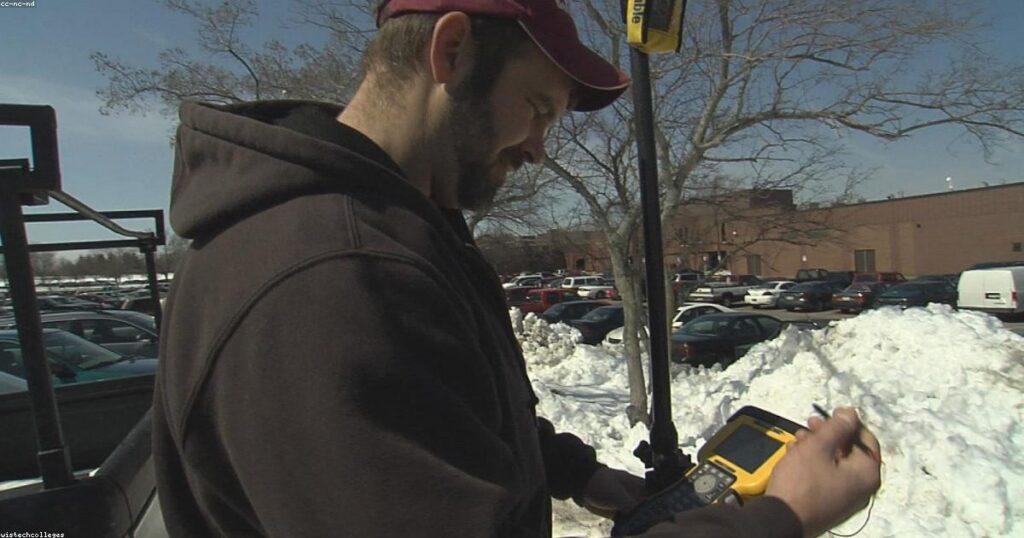
Modern surveying has evolved significantly with the introduction of advanced instruments and technologies. Civil engineering lectures increasingly focus on tools such as total stations, GPS devices, and drone surveying systems. These technologies enhance accuracy, efficiency, and data processing capabilities in surveying tasks.
Total stations combine electronic theodolites with distance measurement technology, allowing for precise angle and distance measurements. Lectures cover the operation, calibration, and data management aspects of total stations, equipping learners with skills relevant to current industry standards.
GPS surveying uses satellite signals to determine exact locations, providing rapid and accurate positioning. Drone technology enables aerial surveys, capturing detailed topographic data over large areas quickly. Incorporating these modern tools in lectures prepares students and junior instructors to meet the demands of contemporary civil engineering projects.
Effective Strategies for Quick Revision Classes in Surveying
Quick revision classes are designed to optimize learning within limited timeframes. Effective strategies include focusing on core concepts, using visual aids, and engaging students with quizzes and practice problems. These methods help reinforce memory retention and clarify complex topics efficiently.
Interactive sessions where students perform mock surveys or simulate data collection can significantly enhance understanding. Junior instructors at Civilianz often use these hands-on activities to make revision classes more impactful, ensuring learners gain practical experience alongside theoretical review.
Additionally, summarizing key points at the end of each session and providing concise revision notes help students recap essential information. Time management during these classes is crucial, balancing speed with depth to ensure comprehensive coverage without overwhelming learners.
Challenges Faced by Junior Surveyors and How Lectures Address Them
Junior surveyors often face challenges such as handling complex instruments, interpreting data accurately, and dealing with environmental factors during fieldwork. Surveying lectures aim to prepare them for these hurdles by combining theoretical knowledge with practical training.
Topics like error analysis, instrument calibration, and safety protocols are emphasized to mitigate common issues encountered in the field. Lectures also cover troubleshooting techniques and best practices to enhance the reliability of survey results.
Furthermore, junior instructors encourage critical thinking and problem-solving skills, enabling learners to adapt to unexpected situations. This holistic approach ensures that junior surveyors are well-equipped to perform their duties confidently and professionally.
Civilianz: Enhancing Surveying Education Through Innovative Teaching
Civilianz is renowned for its innovative approach to surveying education, blending traditional lectures with modern technology and interactive learning. Their curriculum is designed to meet industry standards while fostering practical skills and critical thinking among students.
The use of virtual simulations, field demonstrations, and real-world project analysis enriches the learning experience. Civilianz’s quick revision classes are tailored to reinforce key concepts and techniques, making them ideal for exam preparation and skill enhancement.
Moreover, Civilianz emphasizes continuous professional development by offering workshops, certification courses, and mentoring programs. This comprehensive support system helps junior instructors and surveyors stay updated with evolving surveying practices and technologies.
Conclusion
Surveying civil engineering lectures serve as the foundation for developing competent surveyors capable of contributing effectively to infrastructure projects. Through quick revision classes and the dedicated involvement of junior instructors, learners can master essential surveying techniques and adapt to modern technological advancements. Civilianz exemplifies excellence in surveying education by integrating traditional knowledge with innovative teaching methods, preparing students and professionals for the dynamic demands of the surveying field. Embracing these educational strategies ensures a robust understanding of surveying principles, fostering accuracy, efficiency, and professionalism in civil engineering practices.
Explore how precast cement concrete blocks are transforming masonry construction with their strength, uniformity, and versatility. Learn about production processes, construction techniques, and key…