
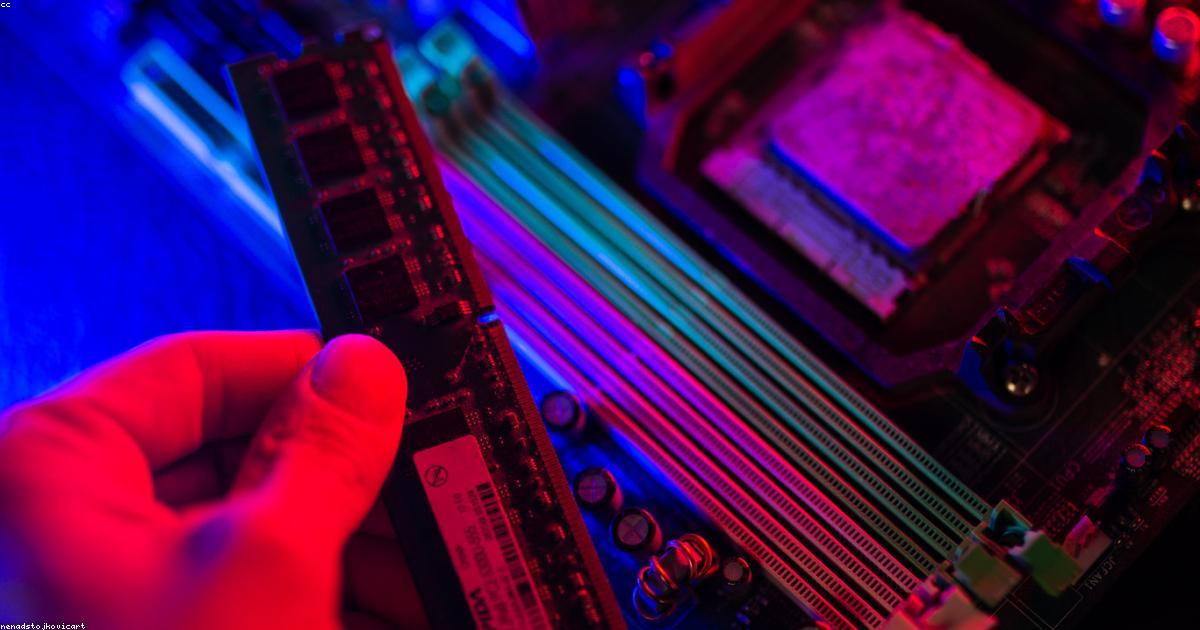
Electronics Engineering stands as a cornerstone of modern technological advancement, influencing sectors from communication to healthcare. Raj Kumar Thenua, a notable figure in this field, has contributed significantly to both academic and practical aspects of electronics engineering. This article provides an extensive overview of Electronics Engineering as presented by Raj Kumar Thenua, exploring foundational concepts, emerging trends, and practical applications. Through a detailed examination of his work and teachings, readers will gain a nuanced understanding of this dynamic discipline.
Understanding Electronics Engineering: Foundations and Scope
Electronics Engineering encompasses the design, development, and testing of electronic circuits, devices, and systems. Raj Kumar Thenua emphasizes the importance of mastering fundamental concepts such as semiconductor physics, circuit theory, and signal processing. These foundations enable engineers to innovate and troubleshoot complex electronic systems effectively.
The scope of electronics engineering extends across various industries, including telecommunications, consumer electronics, automotive, and aerospace. Thenua highlights the interdisciplinary nature of the field, encouraging integration with computer science, electrical engineering, and materials science to foster innovation.
In his approach, Raj Kumar Thenua advocates for a strong theoretical background paired with practical experience. This balance ensures that engineers are not only capable of understanding intricate electronic principles but also adept at applying them in real-world scenarios, driving technological progress.
Raj Kumar Thenua’s Approach to Electronics Engineering Education
Raj Kumar Thenua’s educational philosophy centers on clarity, application, and engagement. He believes that complex electronic concepts should be broken down into understandable segments while maintaining technical rigor. His teaching methods often include interactive problem-solving and real-life examples to reinforce learning.
He integrates modern tools and simulation software in his curriculum to provide students with hands-on experience in circuit design and analysis. This practical exposure prepares students for industry challenges and nurtures critical thinking skills.
Additionally, Thenua encourages continuous learning and adaptation to emerging technologies. He stresses the importance of staying updated with advancements such as IoT, embedded systems, and wireless communication, ensuring that electronics engineers remain relevant and innovative.
Key Areas of Focus in Electronics Engineering by Raj Kumar Thenua
One of the core areas highlighted by Raj Kumar Thenua is analog and digital circuit design. He explores the nuances of designing efficient, reliable circuits that form the backbone of electronic devices. His work covers topics from basic transistor operation to complex integrated circuits.
Signal processing is another critical focus, where Thenua delves into techniques for modifying and analyzing electronic signals. This knowledge is vital for applications in audio processing, telecommunications, and control systems.
Furthermore, Thenua emphasizes microcontrollers and embedded systems, which are pivotal in developing smart devices and automation solutions. His teachings cover programming, interfacing, and system integration, providing a comprehensive understanding of these technologies.
Innovations and Research Contributions by Raj Kumar Thenua
Raj Kumar Thenua has contributed to various research initiatives aimed at enhancing electronic system efficiency and functionality. His work often explores novel materials and circuit architectures that improve performance and reduce power consumption.
He has also been involved in developing advanced communication protocols and signal processing algorithms, which have applications in modern wireless networks and data transmission systems.
Thenua’s research extends to sustainable electronics, focusing on eco-friendly materials and energy-efficient designs. This approach aligns with the global push towards greener technologies and responsible engineering practices.
Practical Applications and Industry Relevance
The principles and techniques taught by Raj Kumar Thenua have direct applications in various industries. For instance, in telecommunications, his insights into signal processing and circuit design contribute to the development of faster and more reliable communication devices.
In consumer electronics, Thenua’s focus on embedded systems aids in creating smarter gadgets that enhance user experience. His methodologies support innovation in wearable technology, home automation, and portable devices.
Moreover, his teachings on sustainable electronics influence manufacturing processes, encouraging the adoption of energy-efficient components and reducing electronic waste. This practical orientation makes his work highly valued in industrial contexts.
Future Trends in Electronics Engineering as Envisioned by Raj Kumar Thenua
Raj Kumar Thenua foresees a future where electronics engineering increasingly integrates with artificial intelligence and machine learning. These technologies will enable smarter, adaptive electronic systems capable of autonomous operation and decision-making.
He also highlights the growing importance of nanotechnology and flexible electronics, which promise to revolutionize device miniaturization and wearable applications. These advancements will open new frontiers in healthcare and environmental monitoring.
Additionally, Thenua predicts that the Internet of Things (IoT) will expand, connecting more devices and systems. Electronics engineers will play a crucial role in designing secure, efficient networks that support this interconnected ecosystem.
Challenges in Electronics Engineering and How Raj Kumar Thenua Addresses Them
One significant challenge in electronics engineering is managing the complexity of modern systems. Raj Kumar Thenua advocates for modular design and systematic testing to handle this complexity effectively, ensuring reliability and maintainability.
Another challenge is keeping pace with rapid technological changes. Thenua’s emphasis on lifelong learning and adaptability equips engineers to embrace new tools, standards, and methodologies without losing foundational knowledge.
He also addresses the environmental impact of electronics, promoting sustainable design principles and responsible disposal practices. By integrating these considerations into engineering education, Thenua prepares professionals to contribute positively to society.
Learning Resources and Materials by Raj Kumar Thenua
Raj Kumar Thenua has authored several textbooks and research papers that serve as valuable resources for students and professionals. These materials cover a wide range of topics, from basic electronics to advanced system design, presented in an accessible yet comprehensive manner.
He also offers online lectures and tutorials that complement traditional learning, providing flexibility and broader reach. These resources often include practical examples, simulations, and problem sets to reinforce understanding.
Furthermore, Thenua encourages participation in workshops, seminars, and collaborative projects. These interactive platforms foster a deeper engagement with electronics engineering concepts and promote networking within the engineering community.
Conclusion
Electronics Engineering by Raj Kumar Thenua presents a holistic view of the discipline, blending foundational principles with cutting-edge advancements. His contributions to education, research, and industry applications have enriched the field, making complex concepts accessible and relevant. By fostering a culture of continuous learning and innovation, Thenua prepares engineers to meet current challenges and embrace future opportunities. Whether you are a student, educator, or professional, understanding his approach offers valuable guidance for navigating the evolving landscape of electronics engineering.