
Top Stories
KFF Health News’ ‘What the Health?’: The Supreme Court and the Abortion Pill
Since the Supreme Court overturned Roe v. Wade in 2022, the landscape of abortion rights in the United S...
TAMFIS NIG LTDRC 8067447CAC ACTIVEFinima, Bonny Island, Rivers State

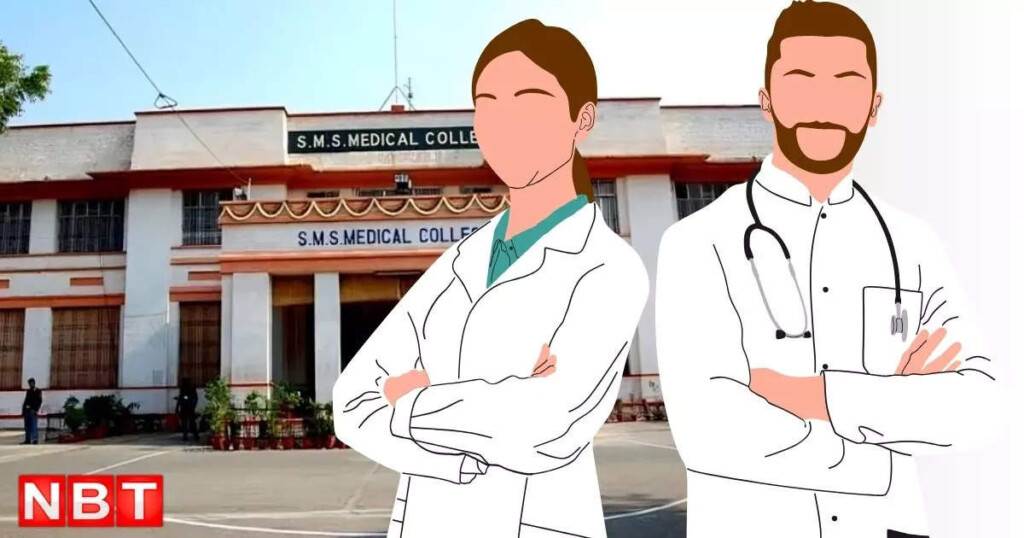
In the wake of the horrific rape and murder of a female resident doctor in Kolkata, medical institutions across India have been thrust into the spotlight regarding the safety and security of women professionals. Amid nationwide outrage and protests, a disturbing incident unfolded at Sawai Mansingh Medical College (SMS), Jaipur, where a female resident doctor sent a distress message alleging threats of sexual violence from a male colleague. This serious accusation triggered an investigation, culminating in the suspension of the accused resident doctor. This article explores the incident, the response from authorities and peers, and the broader ramifications for women working in medical fields.
The brutal rape and murder of a female resident doctor in Kolkata shook the nation, sparking widespread outrage and calls for enhanced safety measures for women in workplaces, especially in the medical sector. This tragedy highlighted systemic vulnerabilities and the urgent need for institutional reforms to protect female healthcare workers.
Medical colleges and hospitals across India witnessed protests and solidarity demonstrations by students, staff, and social organizations demanding justice and stricter actions against perpetrators of sexual harassment and violence. The incident served as a grim reminder of the dangers women face even in professional environments.
In this charged atmosphere, the spotlight turned to various medical institutions to evaluate their safety protocols and responsiveness to allegations of harassment. The case also encouraged many women to speak out against abuse, fostering a climate where silence could no longer be tolerated.
On the night of August 18, a female resident doctor at SMS Medical College sent a message in a WhatsApp group comprising fellow doctors, accusing a male resident of serious misconduct. Her message expressed fear for her safety, stating that she might be subjected to rape or even murder, drawing a chilling parallel to the Kolkata incident.
She described the accused as a womanizer who viewed women as objects and claimed he had threatened her with severe harm, leveraging his political connections to intimidate her. The doctor’s message was a courageous plea for action and solidarity from her peers, emphasizing the need to expose such behavior.
Her public accusation caused an immediate stir within the medical community and beyond, prompting the college administration and police to initiate investigations. The incident underscored the pervasive issue of harassment within medical institutions and the challenges women face in reporting such offenses.
In response to the allegations, SMS Medical College promptly formed an investigation committee comprising senior medical professionals, legal advisors, and social workers. The panel included Additional Principal Dr. Monika Jain, Dr. Asha Verma from Women’s Hospital, and experts from surgery, psychiatry, microbiology, and forensic medicine departments.
The committee conducted a thorough inquiry, interviewing the complainant, the accused, and other witnesses to ascertain the facts. Their investigation revealed that the allegations against the male resident were substantiated, confirming his involvement in misconduct that threatened the female resident’s safety.
Based on these findings, the committee recommended strict disciplinary action against the accused doctor. This step demonstrated the institution’s commitment to addressing harassment seriously and protecting the welfare of its students and staff.
Following the committee’s recommendation, the college administration suspended the accused resident doctor, identified as Dr. Dinesh Gulia. This decisive action sent a strong message that harassment and threats would not be tolerated within the institution.
The administration also assured students and staff that additional measures would be implemented to enhance safety and establish clear reporting mechanisms for harassment complaints. Counseling and support services for victims were emphasized to ensure a safer working environment.
This case marked a significant moment for SMS Medical College, highlighting the importance of institutional accountability and the need for proactive steps to safeguard women in medical professions.
The female resident’s fellow doctors expressed shock and solidarity after learning about her ordeal. Many residents publicly supported her and demanded strict punishment for the accused, underscoring the collective responsibility to uphold ethical standards and protect colleagues from abuse.
This incident sparked broader conversations within the medical community about the prevalence of harassment and the culture of silence that often prevails. Resident doctors called for better awareness programs and sensitization workshops to address gender-based violence and create a more respectful workplace.
Medical students and professionals nationwide were inspired to come forward with their own experiences, emboldened by the courage of the Jaipur resident doctor who spoke up despite potential repercussions.
Upon receiving the complaint, the SMS Medical College administration immediately informed the local police. The police station in-charge, Sudhir Upadhyay, reached out to the female resident to record her statement and explore further legal recourse.
Interestingly, the resident doctor expressed reluctance to pursue police action, preferring that the matter be handled within the college framework. She emphasized that her primary goal was to ensure safety and accountability rather than engage in prolonged legal battles.
This response highlights the complex dynamics victims face when deciding whether to involve law enforcement, reflecting concerns about stigma, retaliation, and the emotional toll of criminal proceedings.
This case exemplifies the persistent challenges women in medicine encounter, including harassment, threats, and unsafe working conditions. Despite their crucial roles, female doctors often navigate environments where their dignity and security are compromised.
Institutions must prioritize creating safe, inclusive spaces by enforcing strict policies against harassment, providing accessible reporting channels, and fostering a culture that supports victims rather than silencing them.
Moreover, this incident reinforces the necessity for ongoing education on gender sensitivity and professional ethics within medical training programs to prevent abuse and promote mutual respect among colleagues.
The suspension of the accused resident doctor is a critical first step, but sustainable change requires systemic reforms. Medical colleges must implement comprehensive safety protocols, including surveillance, security personnel, and confidential grievance mechanisms.
Regular training sessions on workplace harassment, legal rights, and mental health support should be mandatory, empowering female medical professionals to report misconduct without fear of retaliation.
Ultimately, fostering a culture of zero tolerance toward harassment and ensuring swift, transparent action will help restore trust, protect women’s rights, and enhance the overall work environment in medical institutions.
The disturbing incident at Sawai Mansingh Medical College following the Kolkata doctor tragedy serves as a stark reminder of the vulnerabilities women face in professional spaces, especially in demanding fields like medicine. The swift response by the college administration and the solidarity shown by fellow residents underscore the importance of institutional responsibility and peer support in combating harassment. However, this case also reveals the challenges victims endure in reporting abuse and seeking justice. Moving forward, medical institutions across India must implement robust safety measures, foster a culture of respect, and ensure that women can work without fear. Only through collective efforts can the medical fraternity create a secure and empowering environment for all its members.
Originally reported by navbharattimes.indiatimes.com. Adapted for our readers.
Keep reading
Top Stories
Since the Supreme Court overturned Roe v. Wade in 2022, the landscape of abortion rights in the United S...
Top Stories
Top Stories Tamfitronics One evening in May, nursing assistant Debra Ragoonanan’s vision blurred during her shift at a state-run Massachusetts vet...
TAMFIS NIG LTD
Electrical and instrumentation engineering, bid preparation and consulting, IT and software.

