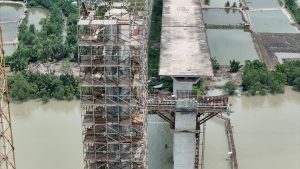
civil engineering innovation california | Modern Construction Technology: The Future of Building ▶7
California has long been a hub for innovation, and its civil engineering sector is no exception. As the state faces unique challenges such as seismic activity, rapid urbanization, and environmental sustainability, engineers and construction professionals are adopting cutting-edge technologies to revolutionize building practices. Modern construction technology not only enhances efficiency but also improves safety, sustainability, and resilience. This article delves into the seven key innovations shaping the future of civil engineering in California, highlighting how these advancements are transforming the construction landscape.
1. Seismic-Resilient Engineering Innovations
California’s susceptibility to earthquakes has driven significant advancements in seismic-resilient engineering. Modern construction techniques incorporate base isolators, energy dissipation devices, and flexible structural systems designed to absorb and dissipate seismic forces. These innovations reduce damage during earthquakes and enhance occupant safety.
Engineers are increasingly using computer modeling and simulation tools to predict structural behavior under seismic stress. These digital tools allow for the optimization of designs before construction begins, reducing costs and improving reliability. Additionally, new materials such as shape-memory alloys and fiber-reinforced polymers provide enhanced durability and flexibility.
Collaborations between universities, research institutions, and industry leaders in California have accelerated the development of seismic technologies. Pilot projects incorporating these innovations serve as real-world tests that refine engineering standards, ensuring that future buildings can better withstand the state’s seismic challenges.
2. Sustainable Building Materials and Green Construction
Sustainability is a paramount concern in California’s construction industry. Civil engineers are pioneering the use of eco-friendly materials like recycled concrete, reclaimed wood, and low-carbon cement alternatives. These materials reduce environmental impact and contribute to LEED certification and other green building standards.
Innovations such as cross-laminated timber (CLT) are gaining popularity due to their carbon-sequestering properties and strength. CLT panels enable faster construction and reduce reliance on traditional steel and concrete, which have higher carbon footprints. This shift supports California’s ambitious climate goals.
Green construction practices extend beyond materials to include energy-efficient building designs, water conservation systems, and integration of renewable energy sources. Smart building technologies optimize resource use, creating structures that are not only sustainable but also cost-effective and comfortable for occupants.
3. Digital Twin Technology in Civil Engineering
Digital twin technology, which creates virtual replicas of physical structures, is revolutionizing civil engineering in California. These digital models enable real-time monitoring, predictive maintenance, and performance optimization of buildings and infrastructure.
By integrating IoT sensors and advanced analytics, engineers can simulate various scenarios, anticipate potential issues, and implement proactive solutions. This approach enhances safety, reduces downtime, and lowers maintenance costs throughout a structure’s lifecycle.
In California’s complex urban environments, digital twins facilitate better coordination among stakeholders, from architects to contractors and city planners. This collaborative approach ensures that projects meet design specifications, regulatory requirements, and community needs effectively.
4. Prefabrication and Modular Construction Methods
Prefabrication and modular construction are transforming project delivery in California by enabling faster, more efficient building processes. Components are manufactured off-site in controlled environments, ensuring higher quality and reduced waste.
These methods significantly shorten construction timelines, which is critical in addressing California’s housing shortages and infrastructure demands. Modular units can be customized and assembled rapidly on-site, minimizing disruption to surrounding communities.
Moreover, prefabrication enhances safety by reducing on-site labor and exposure to hazardous conditions. The scalability and repeatability of modular construction also support sustainable practices by optimizing material use and enabling easier disassembly or repurposing of building components.
5. Advanced Robotics and Automation in Construction
The integration of robotics and automation in California’s civil engineering projects is enhancing precision, efficiency, and safety. Robots are increasingly used for tasks such as bricklaying, concrete pouring, welding, and site surveying.
Autonomous machinery reduces human error and accelerates repetitive or dangerous tasks, allowing skilled workers to focus on complex activities. This technological shift addresses labor shortages and improves overall project timelines.
Drones also play a crucial role in construction monitoring, providing aerial imagery, progress tracking, and site inspections. These automated systems deliver real-time data that supports informed decision-making and risk mitigation.
6. Smart Infrastructure and IoT Integration
California’s civil engineering innovation extends to smart infrastructure, where IoT devices and sensors are embedded within bridges, roads, and utilities to monitor structural health and environmental conditions.
This continuous data collection enables predictive maintenance, reducing the likelihood of failures and extending the lifespan of critical infrastructure. Smart systems can also optimize traffic flow, energy use, and emergency response capabilities.
The state’s investment in smart infrastructure aligns with its goals of improving urban resilience and sustainability. By leveraging data analytics and connectivity, California is creating infrastructure that adapts dynamically to changing conditions and user needs.
7. Building Information Modeling (BIM) and Collaborative Platforms
Building Information Modeling (BIM) is a cornerstone of modern civil engineering projects in California, providing detailed 3D models that integrate architectural, structural, and MEP systems.
BIM fosters collaboration among architects, engineers, contractors, and owners by centralizing project information, reducing errors, and streamlining communication. This collaborative approach enhances project transparency and accountability.
Advanced BIM platforms now incorporate augmented reality (AR) and virtual reality (VR) tools, allowing stakeholders to visualize projects before construction begins. These immersive technologies improve design accuracy and stakeholder engagement, ultimately leading to better project outcomes.
Conclusion
The future of civil engineering in California is shaped by a convergence of technological innovation, sustainability, and resilience. By embracing modern construction technologies such as seismic-resilient engineering, digital twins, and smart infrastructure, California is setting new standards for building safety, efficiency, and environmental stewardship. These advancements not only address current challenges like seismic risks and housing demands but also pave the way for smarter, greener, and more adaptive urban environments. As these technologies continue to evolve, California’s civil engineering sector will remain a global leader, driving the future of construction toward a more sustainable and resilient tomorrow.
Explore how precast cement concrete blocks are transforming masonry construction with their strength, uniformity, and versatility. Learn about production processes, construction techniques, and key…