
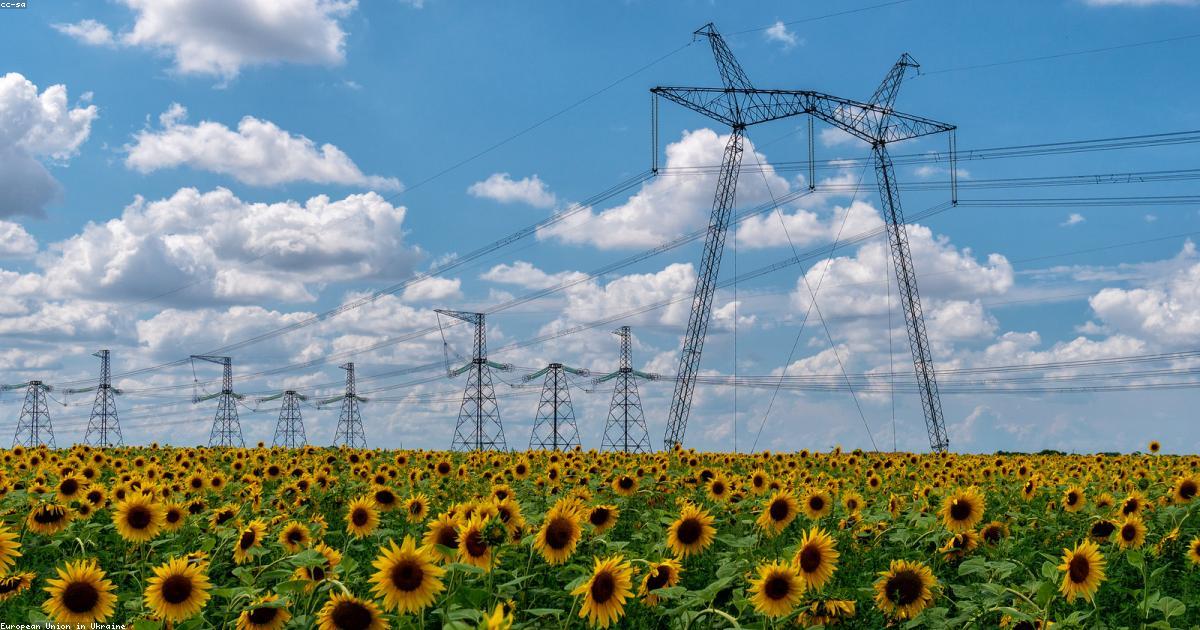
Electrical engineering is a vast and dynamic field that deals with the study and application of electricity, electronics, and electromagnetism. For beginners, understanding the basics of electrical power generation is crucial as it forms the backbone of modern civilization's energy needs. This article delves into the fundamental concepts of electrical engineering, focusing specifically on electrical power generation methods and the different types of power plants. From conventional fossil fuel plants to renewable energy sources, this guide provides a detailed overview to help newcomers grasp the essential principles and technologies in power generation.
Understanding Electrical Engineering: A Beginner's Perspective
Electrical engineering encompasses the design, development, and maintenance of electrical systems and devices. It involves working with circuits, control systems, power generation, and transmission. Beginners often start by learning fundamental concepts such as voltage, current, resistance, and power. These basics are essential to understanding how electrical energy is produced, transmitted, and utilized in various applications.
One of the critical areas within electrical engineering is power engineering, which focuses on the generation, transmission, distribution, and utilization of electrical power. Power engineers design systems that ensure efficient and reliable delivery of electricity from power plants to end-users. This branch is vital for sustaining modern infrastructures, industries, and homes.
For beginners, grasping the principles of electrical circuits and machines is important to comprehend how power generation plants operate. Concepts like electromagnetism, alternating current (AC), and direct current (DC) form the foundation for understanding more complex systems involved in generating electrical energy.
Fundamentals of Electrical Power Generation
Electrical power generation involves converting various forms of energy into electrical energy. This process is essential for supplying power to homes, industries, and transportation networks. The generation methods can be broadly classified into mechanical, chemical, and solar-based techniques, each utilizing different energy sources.
Mechanical methods typically involve converting kinetic energy into electrical energy using turbines connected to generators. For example, steam turbines powered by fossil fuels or nuclear reactions and hydro turbines driven by water flow are common mechanical generation methods. These methods rely on electromagnetic induction principles to produce electricity.
Chemical methods include batteries and fuel cells that generate electricity through chemical reactions. Although widely used for portable power, they are less common for large-scale power generation. Solar-based methods use photovoltaic cells to convert sunlight directly into electricity, representing a growing renewable energy source.
Thermal Power Plants: The Conventional Workhorse
Thermal power plants are among the most widely used power generation facilities globally. They operate by burning fossil fuels such as coal, oil, or natural gas to produce heat. This heat converts water into steam, which drives turbines connected to electrical generators.
The efficiency of thermal power plants depends on the type of fuel used and the technology of the steam cycle. Modern plants employ supercritical and ultra-supercritical steam cycles to improve efficiency and reduce emissions. Despite environmental concerns, thermal plants remain a significant source of electricity due to their reliability and established infrastructure.
Thermal plants require auxiliary systems for fuel handling, water treatment, and emission control. Advances in pollution control technologies, such as flue gas desulfurization and electrostatic precipitators, have helped reduce the environmental impact of these plants.
Hydroelectric Power Plants: Harnessing Water Energy
Hydroelectric power plants generate electricity by utilizing the potential energy of stored or flowing water. Dams are constructed to create reservoirs, and water released from these reservoirs flows through turbines, converting kinetic energy into electrical energy.
This method is renewable, clean, and highly efficient, with the ability to provide a stable power supply. Hydroelectric plants can quickly adjust output to meet demand, making them valuable for grid stability and peak load management.
While hydroelectric power is environmentally friendly, large dam projects can have ecological and social impacts, such as habitat disruption and displacement of communities. Careful planning and modern engineering practices aim to mitigate these effects.
Nuclear Power Plants: Energy from Atomic Reactions
Nuclear power plants generate electricity through controlled nuclear fission reactions, where heavy atomic nuclei split and release vast amounts of energy. This energy heats water to produce steam, which drives turbines connected to generators.
Nuclear power offers a high energy density source with minimal greenhouse gas emissions during operation. It provides a continuous and reliable power supply, making it an essential part of many countries' energy mix.
However, nuclear power also involves challenges such as radioactive waste management, high capital costs, and safety concerns. Advances in reactor design and safety protocols continue to improve the viability and acceptance of nuclear energy.
Renewable Energy Power Plants: The Future of Power Generation
Renewable energy power plants utilize natural resources like sunlight, wind, and geothermal heat to produce electricity. These sources are sustainable and produce little to no emissions, making them critical in combating climate change.
Solar power plants use photovoltaic panels or concentrated solar power systems to convert sunlight into electricity. Wind power plants employ turbines that capture wind energy to generate power. Geothermal plants harness heat from the earth’s crust for steam generation.
The intermittent nature of solar and wind energy requires integration with energy storage systems or backup power plants to ensure a stable supply. Technological advancements and decreasing costs have accelerated the adoption of renewables worldwide.
Electrical Power Transmission and Distribution
Once electricity is generated, it must be transmitted and distributed efficiently to consumers. High-voltage transmission lines carry electricity over long distances to reduce losses. Transformers step up the voltage for transmission and step it down for distribution.
The electrical grid is a complex network that balances supply and demand in real time. Grid operators use advanced monitoring and control systems to maintain stability and prevent outages. Distribution networks deliver electricity to homes, businesses, and industries at usable voltages.
Emerging smart grid technologies incorporate digital communication and automation to enhance grid reliability, efficiency, and integration of renewable energy sources. This evolution is vital for meeting future energy demands sustainably.
Career Paths and Learning Resources in Electrical Engineering
Electrical engineering offers diverse career opportunities in power generation, electronics, telecommunications, automation, and more. Beginners can specialize in areas such as power systems, control engineering, or renewable energy technologies.
Educational resources for beginners include online courses, textbooks, and practical labs that cover circuit theory, electrical machines, and power systems. Hands-on experience through internships and projects is invaluable for skill development.
Professional organizations and certifications provide networking opportunities and industry recognition. Staying updated with technological advancements and regulatory standards is essential for a successful career in electrical engineering.
Conclusion
Electrical engineering plays a pivotal role in powering the modern world. For beginners, comprehending the various methods of electrical power generation and the functioning of different power plants is essential to appreciate the complexities and innovations in this field. With the global shift towards sustainable energy, knowledge of renewable power generation is increasingly important. By building a strong foundation in electrical engineering principles, aspiring engineers can contribute to developing efficient, reliable, and environmentally friendly power systems that meet the growing energy demands of the future.