
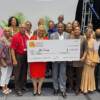
In a remarkable show of solidarity and faith-driven philanthropy, Alfred Street Baptist Church, a historic Black megachurch in Alexandria, Virginia, has donated $1 million to the Lott Carey Baptist Foreign Mission Society. This donation significantly bolsters Lott Carey’s mission to aid African girls caught in the deeply entrenched Trokosi tradition in Ghana—a practice involving forced labor and ritual servitude. The gift not only represents a major financial boost for the organization but also highlights the continuing struggle against modern-day slavery and the role of religious communities in addressing human rights abuses.
Understanding the Trokosi Tradition and Its Impact on Girls
The Trokosi system is a centuries-old cultural practice primarily found in parts of Ghana, where young girls are given to priests at religious shrines as a form of atonement for the alleged sins of their family members. These girls often endure forced labor, ritual servitude, and sexual exploitation under the guise of religious obligation. Despite Ghana criminalizing forced labor in 1998, enforcement remains weak, allowing the practice to persist largely unchecked.
Child rights experts and international organizations, including the United Nations Committee on the Rights of the Child, have condemned Trokosi as a violation of fundamental human rights. The girls trapped in this system face physical and psychological trauma, social isolation, and limited opportunities for education and personal development.
Lott Carey’s Mission and the Significance of the Donation
The Lott Carey Baptist Foreign Mission Society, established in 1897 and named after a former slave turned missionary, has a long history of supporting African communities through faith-based initiatives. With an operational budget of approximately $2.5 million, the organization relies heavily on fundraising efforts to sustain its programs.
The $1 million donation from Alfred Street Baptist Church is a rare and substantial contribution that will directly support the Ghana Baptist Convention’s ministry to rescue girls from Trokosi servitude. This ministry provides rehabilitation services, including vocational training, to help these girls reintegrate into society with skills and confidence.
This donation is particularly impactful given Lott Carey’s previous large gifts, such as a $1 million relief effort for Hurricane Katrina and similar donations to historically Black institutions and cultural organizations.
The Role of Alfred Street Baptist Church and Its Community
Alfred Street Baptist Church, with a weekly in-person attendance of about 2,000 and an online viewership of approximately 20,000, has a history of generous philanthropy. The church’s pastor, the Rev. Howard-John Wesley, was moved to act after witnessing firsthand the plight of girls in Ghana during a church trip organized by Lott Carey’s executive secretary-treasurer, the Rev. Emmett Dunn.
The church raised the funds through a 40-day fast in 2023, encouraging members to give up favorite foods, drinks, and habits, redirecting the money saved toward donations. Approximately 14,000 people participated, contributing nearly $870,000. The church leadership then supplemented this amount to reach the $1 million goal through their Tithe-the-Tithe Initiative, which allocates 10 percent of weekly donations to community and global causes.
This approach reflects a powerful collective commitment, combining spiritual discipline with tangible action to address global injustice.
Leadership and Legacy at Lott Carey
The donation comes as Rev. Gina Stewart, Lott Carey’s first female president and a trailblazer in Black Baptist leadership, concludes her historic tenure. Stewart’s leadership since 2021 has been marked by increased awareness and activism around issues like Trokosi, informed by her own transformative experiences on mission trips to Liberia and Ghana.
Her successor, the Rev. Jesse T. Williams Jr., is poised to continue advancing Lott Carey’s mission. Stewart’s presidency not only broke gender barriers but also revitalized the organization’s focus on human rights and empowerment in African communities.
This transition underscores the evolving nature of faith-based missions and their ongoing relevance in addressing complex social challenges.
Broader Implications for Faith-Based Human Rights Advocacy
The collaboration between Alfred Street Baptist Church and Lott Carey exemplifies how religious institutions can play a crucial role in combating human rights abuses globally. By leveraging their networks, resources, and moral authority, faith communities can raise awareness, mobilize support, and implement programs that foster social justice.
The case of the Trokosi girls highlights the intersection of culture, religion, and human rights, demonstrating the challenges of confronting harmful traditional practices while respecting cultural identities. Faith-based organizations like Lott Carey navigate these complexities by working closely with local partners, such as the Ghana Baptist Convention, to promote change from within communities.
This model of engagement offers valuable lessons for other organizations seeking to address entrenched social issues through culturally sensitive and sustainable interventions.
What this means
The $1 million donation from Alfred Street Baptist Church to Lott Carey marks a significant milestone in the fight against the Trokosi tradition’s exploitation of girls in Ghana. Beyond the financial impact, this partnership embodies the power of faith communities to confront injustice through informed activism, compassion, and collaboration. As Lott Carey transitions to new leadership, the momentum generated by this gift offers hope for sustained progress in rescuing vulnerable girls and empowering them to reclaim their lives. This case underscores the vital role religious organizations continue to play in global human rights advocacy, bridging cultural divides and fostering transformative change.
This article was curated with AI assistance and reviewed according to Tamfis editorial settings.