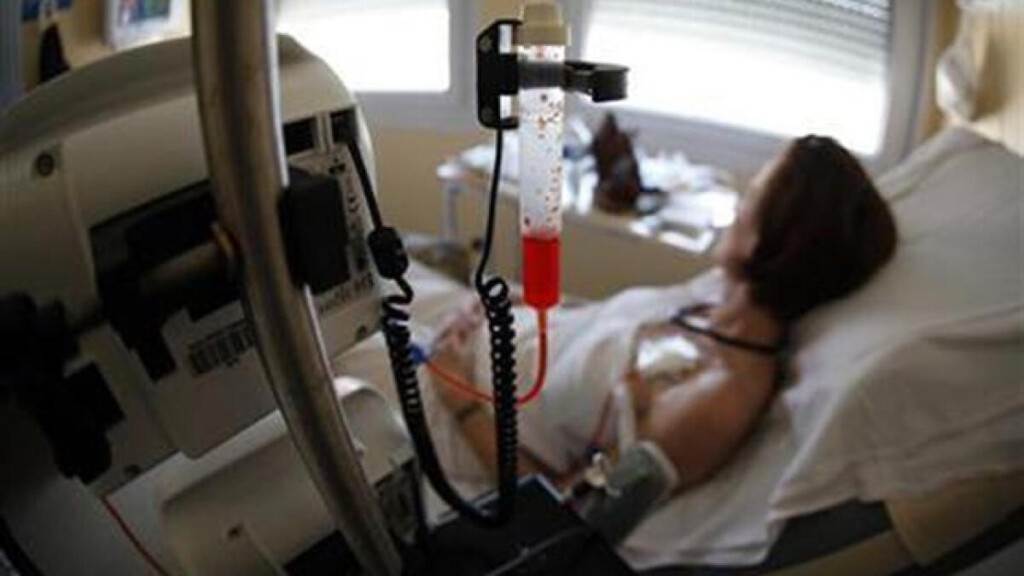
UAE: 46-year-old woman beats rare, aggressive stomach cancer
Stomach cancer remains one of the deadliest forms of cancer worldwide, with neuroendocrine carcinoma (NEC) representing a particularly rare and aggressive subtype. Recently, a 46-year-old woman in the United Arab Emirates made headlines after overcoming this formidable disease. Her diagnosis, treatment, and recovery journey underscore the critical role of early detection, comprehensive care, and innovative medical strategies. This article delves into her inspiring story and explores the medical insights surrounding NEC and its treatment in the UAE.
Understanding Neuroendocrine Carcinoma: A Rare Stomach Cancer
Neuroendocrine carcinoma (NEC) of the stomach is an uncommon form of cancer, accounting for less than 1% of all gastric cancer cases. Unlike more common stomach cancers, NEC originates from neuroendocrine cells, which have traits of both nerve cells and hormone-producing cells. This dual nature contributes to its aggressive behavior and rapid progression.
NEC is characterized by high malignancy and a propensity for early metastasis, often making it difficult to diagnose in the early stages. Patients may present with nonspecific symptoms such as abdominal pain, weight loss, or digestive discomfort, which can be mistaken for less severe gastrointestinal conditions.
One key diagnostic marker for NEC is the Ki-67 proliferation index, which measures the rate at which cancer cells divide. A high Ki-67 index, often exceeding 30%, indicates an aggressive tumor with rapid cell turnover. In many NEC cases, including the one in the UAE, the Ki-67 index can reach as high as 90%, reflecting the tumor’s intense growth and invasiveness.
Symptoms and Initial Diagnosis: The First Signs
The 46-year-old woman initially sought medical attention at a hospital in Abu Dhabi due to persistent stomach pains. Such symptoms are common and often lead to delayed cancer diagnosis, as they overlap with benign gastrointestinal conditions like ulcers or gastritis.
Diagnostic imaging, particularly computed tomography (CT) scans, played a crucial role in identifying abnormalities. In this case, the CT scan revealed a malignant gastric ulcer accompanied by a lesion in the liver, suggesting the cancer had begun to spread beyond the stomach.
Following imaging, a biopsy was performed to obtain tissue samples from the stomach lesion. Histopathological analysis confirmed the presence of a high-grade neuroendocrine carcinoma. This biopsy was essential not only for diagnosis but also for guiding the treatment strategy tailored to the tumor’s aggressive nature.
The Importance of Multidisciplinary Care in Cancer Management
The complexity and rarity of NEC demand a collaborative approach involving oncologists, surgeons, radiologists, pathologists, and nutritionists. In the UAE case, the medical team at SEHA hospital exemplified this multidisciplinary model, ensuring comprehensive care from diagnosis to treatment and recovery.
Pre-operative care included nutritional support delivered through a feeding tube. This step was critical to improve the patient’s overall health and resilience, enabling her to better tolerate surgery and subsequent treatments. Malnutrition is a common issue in stomach cancer patients and can significantly impact outcomes.
The surgical team opted for a minimally invasive procedure aimed at removing all cancerous tissue while preserving as much healthy stomach and surrounding structures as possible. Post-surgery, detailed histopathology helped confirm the extent of tumor removal and informed the next phases of treatment, including chemotherapy or targeted therapies.
Advanced Surgical Techniques and Their Role in Treatment
Minimally invasive surgery, such as laparoscopic gastrectomy, has revolutionized the management of gastric cancers by reducing operative trauma and speeding up recovery. In this patient’s case, such techniques allowed for precise excision of the tumor with reduced complications.
The surgeons meticulously removed the malignant gastric ulcer and the liver lesion, which was critical given the aggressive nature of NEC and its tendency to metastasize early. Ensuring clear surgical margins is essential to minimize the risk of recurrence.
Postoperative care involved close monitoring and follow-up imaging to detect any signs of residual disease or metastasis. This vigilant approach is imperative in aggressive cancers, where early detection of recurrence can significantly alter the prognosis.
The Role of Histopathology and Biomarkers in Guiding Therapy
Histopathological examination remains the gold standard for confirming cancer type and grading its aggressiveness. In NEC, markers such as the Ki-67 proliferation index and immunohistochemical staining for neuroendocrine markers help define the tumor’s biology and predict response to treatment.
In this patient’s case, a Ki-67 index of 90% indicated a highly proliferative tumor, necessitating aggressive multimodal treatment. Such biomarkers also assist in differentiating NEC from other types of gastric cancers, which may require different therapeutic approaches.
Continuous research in molecular profiling and targeted therapies offers hope for improved outcomes in NEC. Personalized treatment plans based on tumor biology are becoming increasingly important in managing rare cancers like NEC.
Post-Treatment Recovery and Long-Term Monitoring
Following successful surgery and adjunctive treatments, the patient underwent a structured recovery program focusing on nutrition, physical rehabilitation, and psychological support. Recovery from stomach cancer surgery can be challenging, requiring adjustments in diet and lifestyle.
Long-term monitoring involves regular imaging, blood tests, and clinical evaluations to detect any signs of recurrence early. The aggressive nature of NEC makes vigilant follow-up essential to improve survival rates and quality of life.
Support groups and counseling also play a vital role, helping patients cope with the emotional and physical aftermath of cancer treatment. In the UAE, increasing awareness and resources are being dedicated to survivorship care for cancer patients.
The Significance of This Case for UAE’s Healthcare System
This remarkable case highlights the advancements in the UAE’s healthcare infrastructure, particularly in managing rare and complex cancers. Access to multidisciplinary teams, advanced diagnostics, and minimally invasive surgeries reflects the country’s commitment to world-class medical care.
It also underscores the importance of early medical consultation for persistent symptoms and public awareness about rare cancers. Timely diagnosis significantly improves treatment outcomes, especially for aggressive tumors like NEC.
The success story serves as an inspiration and a model for healthcare providers in the region, emphasizing evidence-based decision-making, patient-centered approaches, and continuous medical education to tackle challenging diseases effectively.
Key Lessons and Future Directions in Stomach Cancer Care
Early recognition of symptoms and prompt diagnostic workup remain critical in improving stomach cancer survival rates. Public health initiatives aimed at educating communities about warning signs can facilitate earlier medical intervention.
Ongoing research into the molecular underpinnings of NEC and other gastric cancers promises to unlock new targeted therapies and immunotherapies, potentially transforming prognosis for patients with aggressive tumors.
The integration of multidisciplinary care, nutritional support, minimally invasive surgery, and personalized medicine represents the future of cancer treatment. The UAE’s healthcare system is well-positioned to lead these advances, ensuring patients receive optimal, comprehensive care.
Conclusion
The inspiring recovery of the 46-year-old woman from a rare and aggressive gastric neuroendocrine carcinoma in the UAE demonstrates the power of early diagnosis, multidisciplinary collaboration, and advanced medical interventions. Her case not only offers hope to patients facing similar diagnoses but also highlights the continuous improvements in cancer care within the region. As research and healthcare infrastructure evolve, the prospects for managing rare cancers like NEC will continue to improve, emphasizing the value of patient-centered, evidence-based treatment in achieving successful outcomes.
Originally reported by khaleejtimes.com. Adapted for our readers.
Discover how emotionally intelligent couples use a simple 'capacity check' question every morning to strengthen their relationships, reduce conflicts, and navigate daily challenges with…
Lifestyle By Aisha Balogun The death of Nigerian-born British influencer and socialite, Igho Ubiribo, popularly known as “Tiny” or “Ego”, has reopened questions surrounding…