
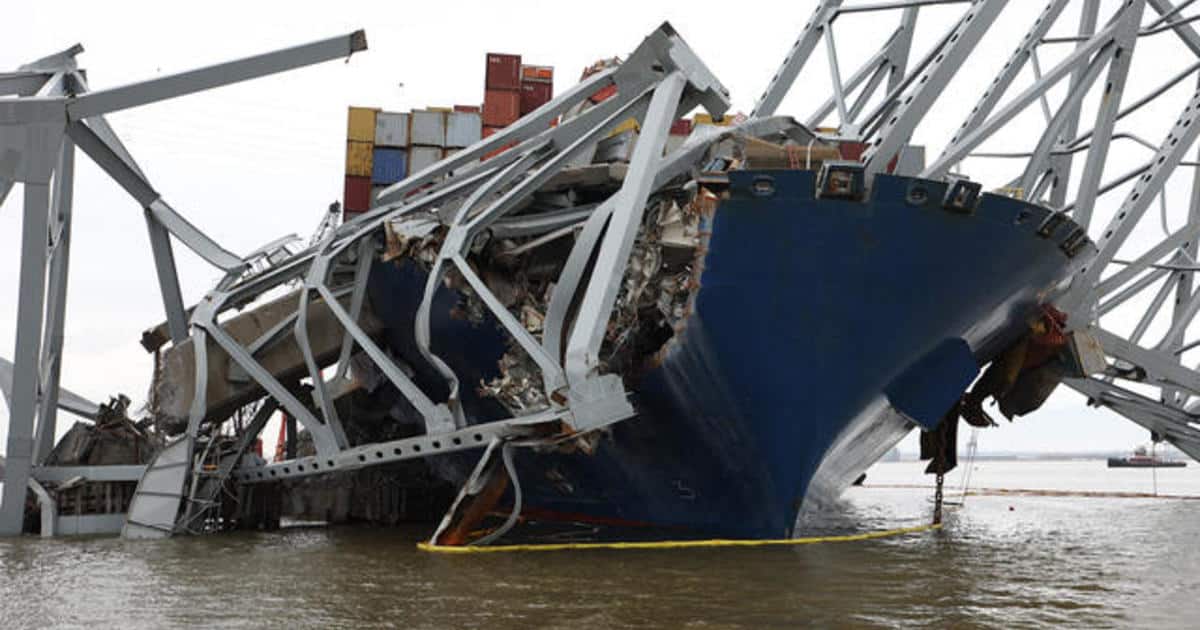
The Key Bridge, a vital infrastructure asset in Baltimore, has recently become the focus of an emergency cleanup effort due to environmental and structural concerns. With the city grappling with the complexities of this extensive project, Maryland’s governor is set to meet with congressional leaders to advocate for immediate federal support. This article delves into the ongoing discussions in Congress regarding emergency funding, the significance of the cleanup, and the broader implications for Baltimore’s infrastructure and environmental health.
Background of the Key Bridge and Its Current Challenges
The Key Bridge, officially known as the Francis Scott Key Bridge, is a critical transportation link in Baltimore, connecting vital commercial and residential areas. Over the years, the bridge has faced wear and tear from heavy traffic and environmental exposure, necessitating urgent maintenance and cleanup efforts.
Recent inspections have revealed significant deterioration and environmental hazards related to accumulated debris and pollution around the bridge structure. These concerns have prompted city officials to prioritize a comprehensive cleanup to ensure safety and preserve the surrounding ecosystem.
The cleanup initiative, referred to as the 'give intention' cleanup, aims to remove toxic waste and structural debris that threaten both the bridge’s integrity and the health of local waterways. This complex operation requires substantial financial and logistical support, which has led Baltimore to seek federal assistance.
Maryland Governor’s Role and Capitol Hill Advocacy
Maryland’s governor is scheduled to visit Capitol Hill to engage with congressional leaders and advocate for emergency funding dedicated to the Key Bridge cleanup. This high-level advocacy underscores the urgency and importance of the project for Baltimore’s infrastructure and public safety.
The governor’s discussions will focus on highlighting the environmental risks posed by the current state of the bridge, the potential economic impact of delayed repairs, and the need for swift federal intervention to support local cleanup efforts.
This visit also aims to garner bipartisan support by emphasizing the bridge’s significance not only to Maryland but to regional commerce and transportation networks, making it a matter of national interest.
Congressional Debate on Emergency Funding and Support
Congress is currently debating the allocation of emergency funds to assist Baltimore in the Key Bridge cleanup. Lawmakers are weighing the urgency of the situation against budgetary constraints and other national priorities, including ongoing international aid commitments.
Some members of Congress advocate for immediate funding as a critical investment in infrastructure resilience and environmental protection, while others call for careful oversight to ensure efficient use of federal resources.
The debate also includes discussions about potential adjustments to the broader U.S. aid framework, as lawmakers consider balancing domestic infrastructure needs with foreign aid obligations, particularly in light of recent commitments to allies such as Israel.
Environmental and Public Health Implications
The Key Bridge cleanup is not only an infrastructure project but also a crucial environmental intervention. The accumulation of hazardous materials and debris has posed serious risks to the local ecosystem, including water contamination and wildlife disruption.
Public health concerns have also emerged, as pollutants from the bridge vicinity could affect nearby communities through air and water quality degradation, raising the stakes for timely remediation.
Federal support for the cleanup would enable the deployment of advanced environmental technologies and expert teams to mitigate these risks effectively, ensuring safer conditions for Baltimore residents and preserving natural habitats.
Economic Impact of the Key Bridge Cleanup
The Key Bridge is a vital artery for commerce and daily commutes in Baltimore, and its compromised condition threatens economic stability in the region. Delays in cleanup and repair could disrupt transportation, leading to increased costs and reduced productivity.
Investing in the cleanup project is expected to create jobs and stimulate local economic activity through construction and environmental services, providing a short-term boost amid the broader infrastructure renewal efforts.
Moreover, maintaining the bridge’s operational integrity safeguards long-term economic growth by ensuring reliable connectivity for businesses, suppliers, and consumers throughout Maryland and neighboring states.
Potential Challenges and Controversies
While the need for emergency support is clear, the funding debate faces challenges including budget limitations, political disagreements, and competing priorities at the federal level.
Some critics question the scope and cost of the cleanup, urging for more stringent project management and transparency to prevent inefficiencies or cost overruns.
Additionally, balancing domestic infrastructure investments with international aid commitments has sparked controversy, with some lawmakers calling for reassessment of funding allocations to better serve national interests.
Looking Ahead: What’s Next for the Key Bridge Cleanup?
As congressional deliberations continue, stakeholders remain hopeful that emergency funding will be approved promptly to avoid further deterioration of the Key Bridge and its surrounding environment.
Collaboration between federal, state, and local agencies will be essential to implement the cleanup efficiently, ensuring that environmental standards and safety regulations are upheld throughout the process.
Public engagement and transparent communication will also play a key role in securing community support and keeping residents informed about progress and potential disruptions during the cleanup.
Broader Implications for Infrastructure Policy
The Key Bridge emergency funding debate highlights broader challenges faced by aging infrastructure across the United States, emphasizing the need for proactive investment and maintenance.
Lessons learned from this situation could inform future federal policies aimed at streamlining emergency response funding and improving environmental safeguards for critical infrastructure projects.
Ultimately, the outcome of this debate may set a precedent for how Congress balances immediate infrastructure needs with long-term strategic priorities, shaping the nation’s approach to sustainable development and environmental stewardship.
Conclusion
The emergency support debate for the Key Bridge cleanup represents a pivotal moment for Baltimore’s infrastructure and environmental health. With growing risks to public safety and local ecosystems, federal intervention is increasingly seen as essential to address these challenges effectively. As Congress weighs funding options, the outcome will not only impact the immediate future of the Key Bridge but also set important precedents for managing infrastructure crises nationwide. Prioritizing this cleanup reflects a broader commitment to safeguarding communities, promoting economic stability, and protecting the environment for generations to come.