News
RUSSIA versus NATO and BRICS vs. NATO Military SWOT
Recall that Poland’s Minister Sikorski’s core claim is partially supported by the numbers, but the framing “quite quickly” and “without the U.S.” does not…
TAMFIS NIG LTDRC 8067447CAC ACTIVEFinima, Bonny Island, Rivers State

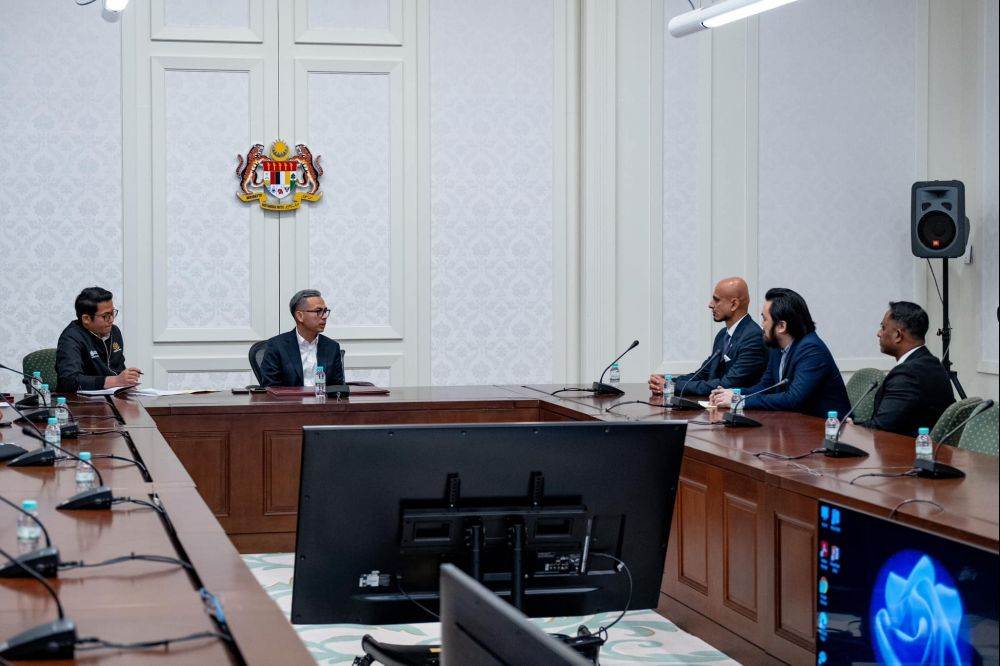
In an era where social media platforms wield significant influence over political discourse, Meta’s recent handling of posts by Malaysian Prime Minister Anwar Ibrahim has spotlighted the complex challenges tech giants face in balancing content moderation, diplomatic sensitivities, and freedom of expression. The removal and subsequent restoration of posts expressing solidarity with Hamas after the assassination of its leader Ismail Haniyeh ignited debates around Meta’s community guidelines, operational errors, and the broader digital politics that shape online narratives. This article delves deep into Meta’s digital dance of diplomacy and deletion, unpacking the events, policies, and ramifications that define this ongoing saga.
On a seemingly ordinary day in Silicon Valley, Meta found itself embroiled in a political controversy after taking down posts from Malaysian Prime Minister Anwar Ibrahim. The posts featured a heartfelt video condolence and throwback images expressing solidarity with Hamas following the assassination of its leader, Ismail Haniyeh, in Tehran. The removal triggered significant backlash given the prominence of the figure involved and the sensitive nature of the content.
Meta attributed the takedown to an “operational error,” a term that sparked skepticism and frustration among netizens and political observers alike. The company later restored the posts but appended them with a “newsworthy” label, noting that while the posts violated community guidelines, they were left accessible for public awareness. This move highlighted the delicate balancing act Meta attempts between enforcing its policies and acknowledging the public interest.
The incident underscored the challenges social media platforms face when moderating politically charged content, especially from influential global figures. Meta’s swift yet conflicted response illuminated the tension between automated enforcement mechanisms and the nuanced realities of international political expression.
Meta’s content policies categorize Hamas as a “dangerous organisation,” which means that any praise, support, or glorification of the group is strictly prohibited on its platforms. This policy aims to curb the spread of extremist content and prevent platforms from becoming conduits for terrorism-related propaganda. However, applying these rules uniformly across diverse geopolitical contexts remains a formidable challenge.
The labeling of Hamas as dangerous reflects broader global consensus in many jurisdictions, but it also places Meta in a contentious position when handling content from political leaders who may express solidarity with such groups as part of their diplomatic or ideological stance. This creates a policy paradox where legitimate political expression risks being flagged as violations.
Meta’s enforcement of these guidelines often relies on a combination of automated algorithms and human moderators. While automation enables scale, it can lack the contextual understanding necessary for nuanced political speech. The Anwar Ibrahim episode exemplifies how rigid application of guidelines can lead to missteps and public outcry, prompting calls for more context-aware moderation frameworks.
Social media platforms like Meta have evolved into critical arenas for global political discourse, diplomacy, and public opinion shaping. As such, their content decisions carry diplomatic weight, sometimes influencing international relations and national narratives. Meta’s handling of posts by a sitting prime minister illustrates the platform’s inadvertent role as a gatekeeper in geopolitical communication.
The removal of Anwar Ibrahim’s posts was perceived by his office as discriminatory and a suppression of free expression, highlighting how content moderation decisions can quickly escalate into diplomatic disputes. Governments increasingly scrutinize how platforms manage politically sensitive content, demanding transparency and fairness to protect national interests and sovereignty.
Meta’s navigation of these diplomatic waters requires balancing respect for local laws, international norms, and its own global policies. Missteps can lead to accusations of bias, censorship, or interference, complicating Meta’s efforts to maintain neutrality and uphold its community standards uniformly across regions.
Meta’s explanation of the post removal as an “operational error” sheds light on the complexities of large-scale content moderation. With billions of posts daily, mistakes are inevitable, but the stakes are particularly high when errors affect prominent political figures or sensitive topics. Such errors can erode user trust and invite scrutiny from governments and advocacy groups.
Operational errors often stem from automated systems misclassifying content or human moderators misinterpreting context. The pressure to act swiftly against harmful content can sometimes lead to over-censorship or wrongful takedowns, as seen in this case. Meta’s acknowledgment of the error and subsequent restoration of the posts with disclaimers aim to mitigate the fallout.
However, repeated operational errors can damage Meta’s credibility and raise questions about the adequacy of its moderation frameworks. It also highlights the need for ongoing improvements in technology, training, and appeals processes to better handle politically sensitive material.
The takedown of Anwar Ibrahim’s posts ignited a wave of criticism from various quarters, including human rights organizations and free speech advocates. Human Rights Watch condemned Meta’s pattern of muting pro-Palestine voices, framing it as a broader issue of digital censorship and bias against certain political narratives.
Netizens and political commentators also voiced frustration, perceiving the removal as a form of digital silencing and a challenge to the principles of open dialogue on social media platforms. The incident sparked debates about the responsibilities of tech giants in safeguarding free expression while combating harmful content.
Meta’s response, including the reinstatement of the posts with a “newsworthy” label, was seen as a partial concession but did not fully satisfy critics who called for clearer policies and greater transparency. The episode underscores the ongoing tension between content moderation and political freedoms in the digital age.
The recent incident is not isolated; Meta has faced similar controversies in Malaysia before. Earlier in the year, the company was involved in another content moderation dispute that strained its relationship with Malaysian authorities and political figures. These repeated clashes highlight the challenges of enforcing global policies in local political environments.
Malaysia’s political landscape, marked by complex regional and international alliances, often places Meta in difficult positions where its content decisions are scrutinized for perceived partiality or insensitivity. This history of contention suggests that Meta must continuously adapt its approach to moderation to accommodate local nuances.
The pattern of friction between Meta and Malaysian officials reflects broader global challenges faced by social media platforms in managing politically sensitive content. It also signals the increasing importance of dialogue and cooperation between tech companies and governments to preempt conflicts and foster mutual understanding.
Meta’s handling of politically sensitive content raises fundamental questions about the role of social media platforms as arbiters of free expression. While combating harmful content is necessary, the boundaries of moderation must be carefully calibrated to avoid undue censorship, especially of political speech.
The incident exemplifies the broader challenge of digital governance, where private companies wield immense power over public discourse without the same accountability mechanisms as traditional governments. This asymmetry has sparked calls for clearer regulations, transparency, and multistakeholder oversight to ensure fairness.
As digital platforms continue to shape political narratives worldwide, Meta’s experiences serve as a case study in the complexities of balancing security, diplomacy, and freedom of expression. The ongoing evolution of content policies and moderation practices will significantly impact how societies engage in political dialogue online.
In light of recent controversies, Meta faces mounting pressure to refine its content moderation systems to better handle politically sensitive material. Enhancing the contextual understanding of content, improving transparency around enforcement decisions, and strengthening appeal mechanisms are critical areas for development.
Collaboration with governments, civil society, and international organizations can help Meta navigate the geopolitical complexities inherent in global content moderation. Proactive engagement and clearer communication can reduce misunderstandings and foster trust among users and regulators.
Ultimately, Meta’s ability to learn from incidents like the Anwar Ibrahim post removal will determine its success in maintaining a platform that respects free expression while upholding community safety. The digital dance of diplomacy and deletion is ongoing, requiring agility, sensitivity, and accountability.
Meta’s recent digital dance involving the removal and reinstatement of politically sensitive posts by Malaysian Prime Minister Anwar Ibrahim encapsulates the multifaceted challenges facing social media giants today. Balancing the enforcement of community guidelines with respect for political expression, diplomatic sensitivities, and public interest is a complex endeavor fraught with operational risks and reputational stakes. As digital platforms continue to mediate political narratives worldwide, Meta’s experiences serve as a critical case study in navigating the delicate interplay between diplomacy and deletion. The path forward will demand enhanced technological sophistication, transparent policies, and constructive engagement with diverse stakeholders to uphold the principles of free expression while ensuring platform safety and integrity.
Originally reported by themalaysianinsight.com. Adapted for our readers.
Keep reading
News
Recall that Poland’s Minister Sikorski’s core claim is partially supported by the numbers, but the framing “quite quickly” and “without the U.S.” does not…
Politics
In August 2025, Zespri, the world’s largest marketer of kiwifruit, announced that the European Commission had approved what it described as the first health…
News
By Engr. Tamunofiniarisa BrownReading Time: 6 Minutes The conflict between Russia and Ukraine is often framed in the media as a simple battle between…
TAMFIS NIG LTD
Electrical and instrumentation engineering, bid preparation and consulting, IT and software.