
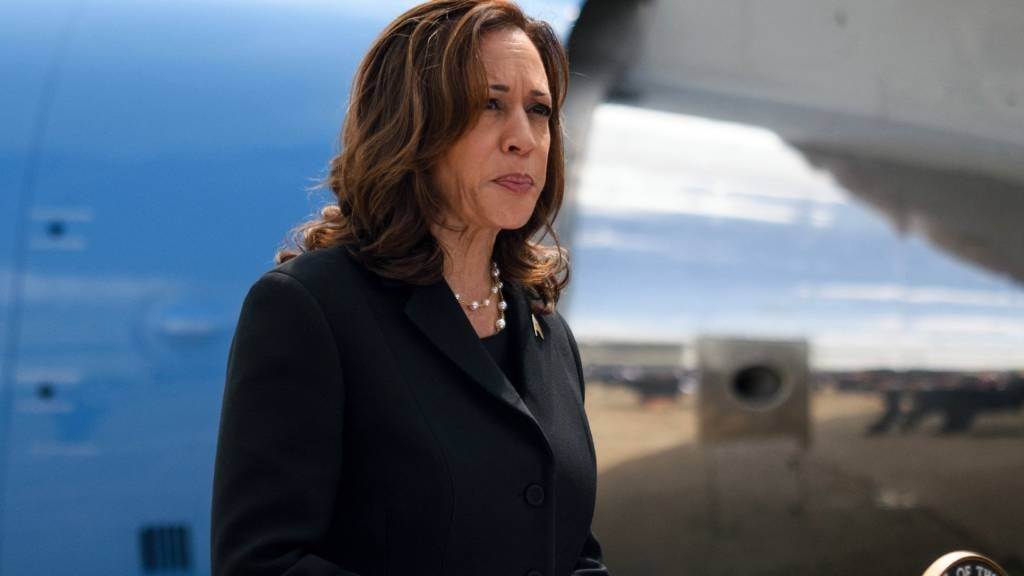
Kamala Harris’s identity as a Black woman has been a central theme throughout her life and political career. Born to immigrant parents from Jamaica and India, Harris has navigated the complexities of a mixed heritage with pride and authenticity. Her upbringing, education, and early activism laid a strong foundation for embracing her Blackness long before she entered the political arena. This article explores Harris’s journey, her cultural roots, and how her identity has influenced her role as a trailblazing political figure.
Early Life and Family Heritage
Kamala Harris was born in Oakland, California, in 1964, to Donald Harris, an Afro-Jamaican economics professor, and Shyamala Gopalan, an Indian-American breast cancer researcher. Both parents were immigrants who met at the University of California, Berkeley, actively participating in the civil rights movement during a turbulent era in American history.
Growing up in a household enriched by two distinct cultures, Harris was exposed to the values of social justice and activism from an early age. Her parents’ academic backgrounds and commitment to civil rights shaped her worldview, instilling a deep sense of identity and pride in her mixed-race heritage.
Despite their divorce when Kamala was young, her mother ensured that Kamala and her sister Maya were connected to their Indian roots through language, travel, and cultural traditions, while also preparing them to navigate and embrace their Black identity within American society.
Embracing Blackness Amidst Racial Challenges
Harris’s early experiences attending a newly desegregated elementary school in a predominantly white neighborhood exposed her to the realities of race relations in America. These formative years were complemented by her participation in Black church communities, which further solidified her connection to Black culture and spirituality.
In interviews, Harris has openly declared, “I was born black, I will die black,” emphasizing her unwavering embrace of her Black identity. This statement counters political attempts to question her racial authenticity and highlights her lifelong commitment to racial pride.
Her mother’s foresight in raising confident Black daughters was crucial, as Harris navigated a society where race often defines social and political experiences. The intersection of her Indian and Black heritage has been a source of strength, allowing her to engage with diverse communities authentically.
Educational Journey Rooted in Black Excellence
Kamala Harris chose Howard University, a historically Black college in Washington, D.C., for her undergraduate studies, following in the footsteps of influential Black leaders such as Thurgood Marshall. Howard’s vibrant cultural and political environment nurtured her identity and activism.
At Howard, Harris became involved in protests against apartheid and joined Alpha Kappa Alpha, a sorority with a rich legacy of empowering Black women. These experiences reinforced her connection to Black political and social movements, shaping her leadership style.
Her legal education at the University of California Hastings College of the Law further anchored her commitment to civil rights. Serving as president of the Black Law Students Association, Harris demonstrated early leadership in advocating for racial equality within the legal profession.
Political Career and Public Perception
Harris’s political career began with her election as San Francisco’s district attorney in 2003, followed by her tenure as California’s attorney general in 2010. Throughout these roles, media outlets consistently identified her as a Black woman, celebrating her as a symbol of progress in American politics.
Her rise drew comparisons to Barack Obama, another biracial political figure who broke racial barriers. Dubbed the “female Obama” by some, Harris’s story resonated with many Americans who saw in her a reflection of evolving racial and cultural dynamics.
Despite her achievements, Harris has faced racially charged attacks, notably from former President Donald Trump, who questioned her authenticity as a Black woman. These critiques, however, have only strengthened her resolve to represent and uplift Black communities.
Balancing Dual Heritage: Black and Indian Identities
While Harris’s Black identity has been central to her public persona, she has also embraced her Indian heritage. Appearances alongside Indian-American figures, such as actress Mindy Kaling, highlight her pride in her South Asian roots and cultural traditions.
Her mother’s influence is evident in Harris’s comfort with Tamil language and Indian customs, which she has shared publicly. This duality enriches her identity and broadens her appeal across diverse demographic groups.
Experts note that Harris’s ability to navigate and celebrate both her Black and Indian identities challenges simplistic racial categorizations, reflecting the complex realities of multicultural America.
Impact on Representation and Social Justice
Kamala Harris’s presence in the highest echelons of American politics represents a significant milestone for representation. As the first female, first Black, and first South Asian Vice President, she embodies the possibilities for marginalized communities.
Her advocacy for criminal justice reform, voting rights, and economic equity aligns with the struggles and aspirations of Black Americans. Her lived experience brings authenticity to these policy priorities, resonating with constituents seeking change.
Harris’s journey underscores the importance of diverse voices in leadership, inspiring future generations to embrace their identities and pursue public service without compromising their heritage.
Challenges and Criticism in the Political Arena
Throughout her career, Harris has confronted challenges stemming from her racial identity, including skepticism about her authenticity and political motivations. Critics have sometimes used her heritage to undermine her credibility or appeal to divisive sentiments.
The racialized attacks, particularly from political opponents, highlight ongoing struggles with race and identity politics in the United States. Harris’s response has consistently been to affirm her identity and focus on policy and unity rather than division.
Analysts suggest that these challenges reflect broader societal tensions but also emphasize Harris’s resilience and strategic navigation of complex racial dynamics in her public life.
Looking Ahead: Harris’s Influence on Future Generations
Kamala Harris’s historic role and unapologetic embrace of her Blackness set a powerful example for young people, especially those from mixed-race and immigrant backgrounds. Her story encourages embracing multifaceted identities in a society often eager to categorize.
Her continued political ambitions, including a potential 2024 presidential run, position her to further shape national conversations on race, identity, and equity. Harris’s visibility challenges traditional narratives about leadership and belonging.
Ultimately, Harris’s legacy will likely be defined not only by her achievements but by her ability to inspire a more inclusive vision of America where diverse identities are celebrated and represented.
Conclusion
Kamala Harris’s life and career exemplify the power of embracing one’s identity with pride and authenticity. From her upbringing in a multicultural household to her role as Vice President, Harris has consistently celebrated her Blackness alongside her Indian heritage. Despite facing political and racial challenges, she remains a symbol of progress and resilience. Her story is a testament to the evolving American narrative, where complex identities enrich the nation’s fabric and inspire future leaders to break barriers with confidence.