

image
AI & the Future of Work

The Future of Work: How AI is Reshaping Careers in 2025

Artificial Intelligence (AI) is not just transforming business operations—it is redefining what it means to work in the 21st century. In 2025, AI is reshaping careers, industries, and the very nature of employment itself. While some fear job losses, the reality is more nuanced: AI is eliminating repetitive roles but simultaneously creating new opportunities that demand human creativity, judgement, and emotional intelligence. 1. Automation and Job Transformation AI excels at automating repetitive and rule-based tasks. Roles in data entry, basic customer service, and routine analysis are increasingly handled by AI systems. However, rather than leading to widespread unemployment, this trend is transforming jobs: Administrative staff now oversee AI systems instead of manually processing documents. Customer service representatives focus on complex cases, leaving routine queries to chatbots. Analysts spend less time gathering data and more time interpreting insights for strategy. This shift is...

Continue reading
Colorful flat lay of smart home devices and smartphone on vibrant background, ideal for technology concepts.
AI Power, AI Tools & Reviews

The Rise of AI Tools in Everyday Life: From Home to Workplace

Artificial Intelligence (AI) is no longer confined to laboratories, research papers, or niche applications. In 2025, AI tools have become part of our everyday lives, shaping how we communicate, work, shop, travel, and even relax at home. The rise of accessible AI-powered apps, devices, and services means that nearly everyone now interacts with AI daily—often without realising it. 1. AI in the Smart Home From smart speakers to intelligent security systems, AI has made our homes more efficient, safer, and more comfortable. Voice assistants like Alexa and Google Home now act as full-scale home managers, controlling lights, thermostats, and even appliances. AI-powered cameras identify family members versus intruders, sending alerts only when necessary. Energy-saving systems predict usage patterns to reduce electricity bills. In 2025, smart homes are no longer futuristic concepts—they are mainstream. 2. AI in Personal Finance Money management has become smarter...
Continue reading
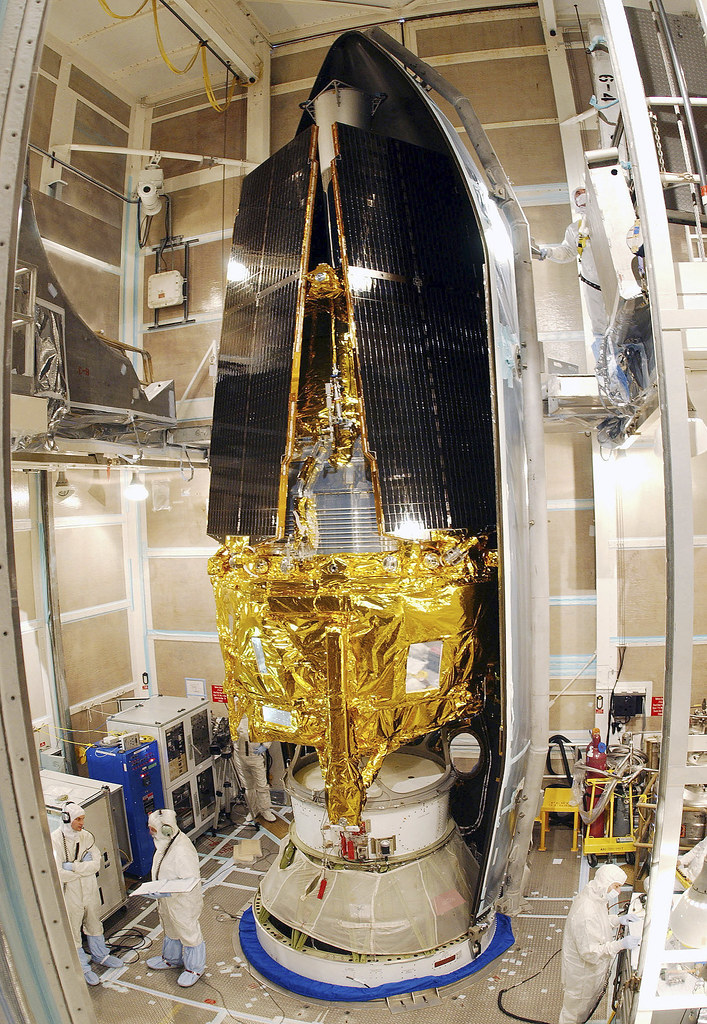
Gravity Probe-B Launch (Archive: NASA, Marshall, 4/20/04)
AI in Business, AI Power

How Artificial Intelligence is Transforming Business Operations in 2025

Artificial Intelligence (AI) has evolved from a promising innovation into an essential driver of competitive advantage across industries. In 2025, businesses are no longer asking if they should adopt AI but how fast they can integrate it to remain relevant. From predictive analytics to AI-driven customer experiences, organisations that embrace this technology are already seeing measurable gains in productivity, efficiency, and innovation. 1. Smarter Decision-Making Through Predictive Analytics Data is the lifeblood of modern business, but raw data alone holds little value. AI systems in 2025 are equipped with advanced predictive models that analyse historical trends, consumer behaviour, and market conditions to provide actionable insights. Retailers use AI to forecast inventory needs with near-perfect accuracy, avoiding both stock-outs and excess storage costs. Financial firms rely on AI-driven risk modelling to anticipate credit defaults or fraudulent activity. Manufacturers employ predictive maintenance...
Continue reading
Free motherboard chip background
AI for Creatives, AI Power

How Artificial Intelligence is Transforming Business Operations in 2025

Meta description: Artificial intelligence is reshaping how companies operate in 2025 — from automating workflows to enhancing customer experiences. Discover practical examples, tools and strategies for adopting AI in your business. Introduction — A New Era for Business Artificial intelligence has moved beyond buzzwords. In 2025, companies across industries are using AI to automate processes, improve decision-making, and reduce costs. From predictive analytics to customer service chatbots, the technology is no longer experimental — it’s a business necessity. Key Areas Where AI is Driving Change 1. Automating Routine Processes Businesses are saving hours by automating repetitive tasks: Finance teams use AI to reconcile invoices. HR departments deploy AI to shortlist CVs. Logistics companies optimise routes in real time. This frees employees to focus on higher-value work. 2. Enhancing Customer Experience AI-powered chatbots and virtual assistants now handle millions of support queries daily. They provide: 24/7 service without fatigue. Personalised...
Continue reading