

WINT Water Intelligence Announces Partnership with Insurer HSB
Science & Technology

WINT Water Intelligence Announces Partnership with Insurer HSB

Technology tamfitronics NEW YORK, NY — WINT Water Intelligencea leader in cutting-edge water management and leak-prevention solutions, has announced it has signed a partnership with HSB (Hartford Steam Boiler), a multi-line specialty insurer. The partnership combines WINT’s industry-leading AI-based water management solutions with HSB’s unique expertise in IoT technology and OEM uptime warranty solutions to provide businesses with a combined solution to protect from water leak damage.Demonstrating HSB’s continuing confidence in WINT’s proven artificial intelligence-driven systems, the expanded partnership elevates the insurer’s exclusive ecosystem of commercial-grade, best-in-class Internet of Things (IoT) solutions.Better Water ManagementA recent study by Munich Re found that locations protected by WINT dramatically reduce the number and impact of water damage incidents: sites where WINT was installed were found to submit 73% fewer insurance claims and resulted in 90% less payouts when compared...

Continue reading
An Introduction to AI in Preconstruction
Science & Technology

An Introduction to AI in Preconstruction

Technology tamfitronics Artificial intelligence (AI) is transforming the construction industry. As we enter a new era of construction technology, it’s important to understand what Artificial Intelligence (AI) is and how it offers unique solutions to enhance the productivity and performance of construction professionals. Let’s examine how artificial intelligence is redefining the construction industry. Artificial Intelligence, Machine Learning, and Deep LearningArtificial Intelligence is a field of computer science that develops and studies large amounts of data to mimic the way humans solve problems. The roots of AI can be traced back to the 1950s with pioneers like Arthur Samuel helping to design ways for machines to do things that humans presently do - only faster.You may have experienced AI in Amazon’s Alexa or Apple’s Siri. Have you ever said, “Hey Siri, what’s this song?” Then you may have experienced...
Continue reading
Intel Capital Invests in $15M Venture Round for AI-Powered Buildots
Science & Technology

Intel Capital Invests in $15M Venture Round for AI-Powered Buildots

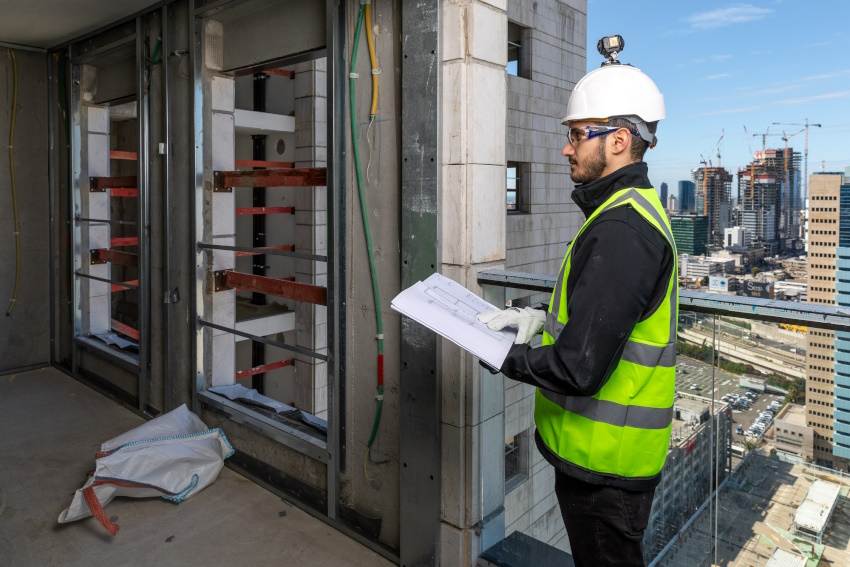
Technology tamfitronics Buildots' AI/machine learning tools analyze and identify potential construction problems based on 360-degree imaging captured onsite. Photo courtesy Buildots Buildots, an artificial intelligence and machine learning construction software firmwhose tools document construction progress and can help predict scheduling problemshas announced a $15-million investment round, led by Intel Capital with participation from OG Venture Partners and previous investors. In conjunction with the financing, Lisa Cohen, investment director at Intel Capital, will join Buildots as a board observer."We are proud to work with Intel Capital to propel large-scale construction into a more efficient and controlled future, taking out the guesswork and providing decision-makers with comprehensive and precise oversight," said Roy Danon, co-founder and CEO of Buildots in a statement.Intel Capital is the division of...
Continue reading
Beyond Silicon: How Atom-Thin Materials Are Revolutionizing Chips
Science & Technology

Beyond Silicon: How Atom-Thin Materials Are Revolutionizing Chips

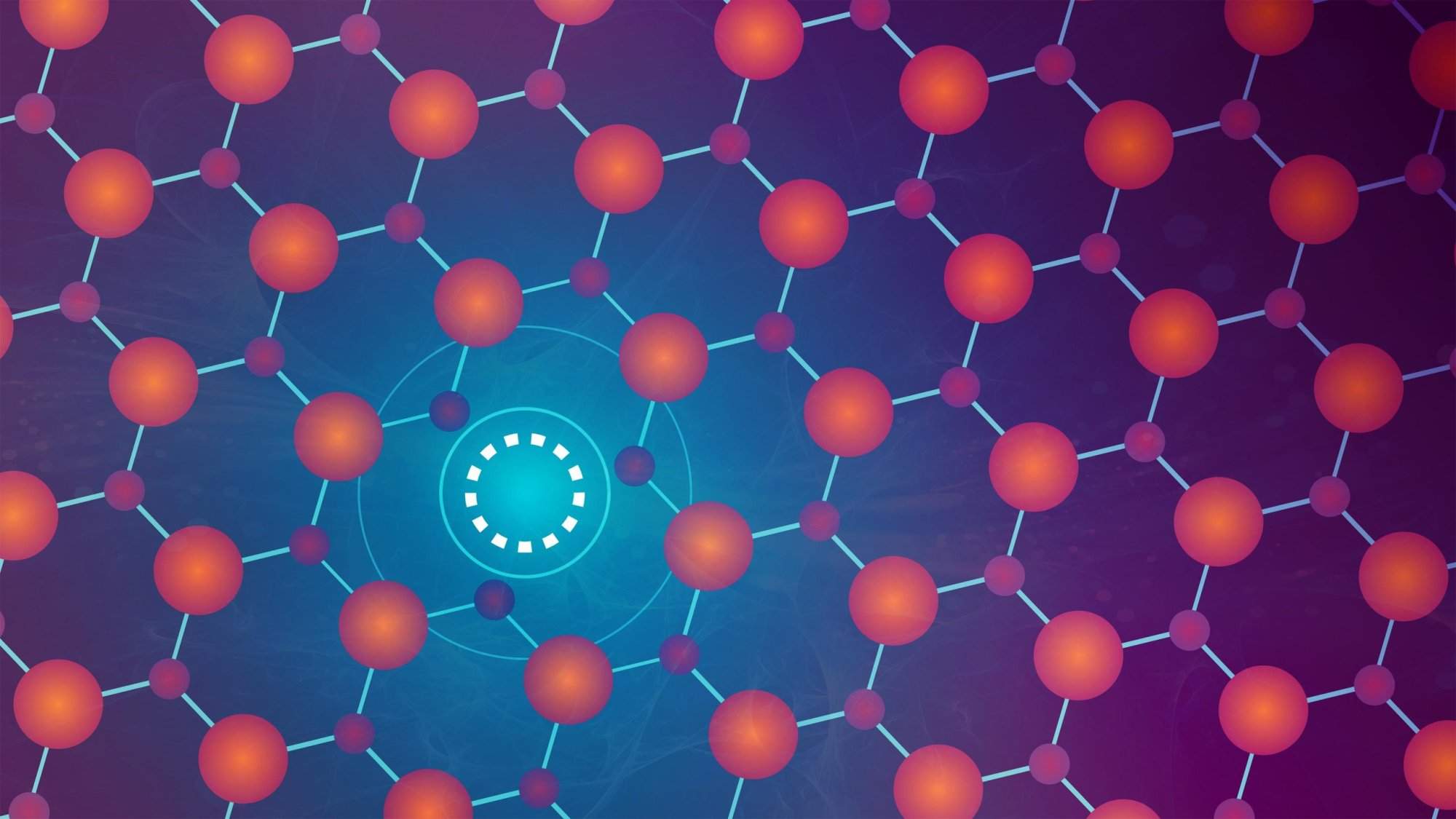
Technology tamfitronics An artist’s depiction of a missing chalcogen atom in the middle layer of a bulk transition-metal dichalcogenide. Credit: Kyle Palmer / PPPL Communications DepartmentNew research boosts our understanding of a likely candidate for next-generation computer chips.Scientists at the Princeton Plasma Physics Laboratory are advancing semiconductor technology by developing thinner, more efficient materials called transition-metal dichalcogenides (TMDs). These materials, only a few atoms thick, could lead to more compact and powerful computer chips. The research also investigates the role of defects within these materials, which can affect their electrical properties and potentially enhance their functionality.The Evolution of Computer ChipsSilicon computer chips have served us well for more than half a century. The tiniest features on chips currently sold are approximately 3 nanometers — a startlingly small size given that a human hair is roughly...
Continue reading