
China launches Sino-French astrophysics satellite, debris falls over populated area
Top Stories

China launches Sino-French astrophysics satellite, debris falls over populated area

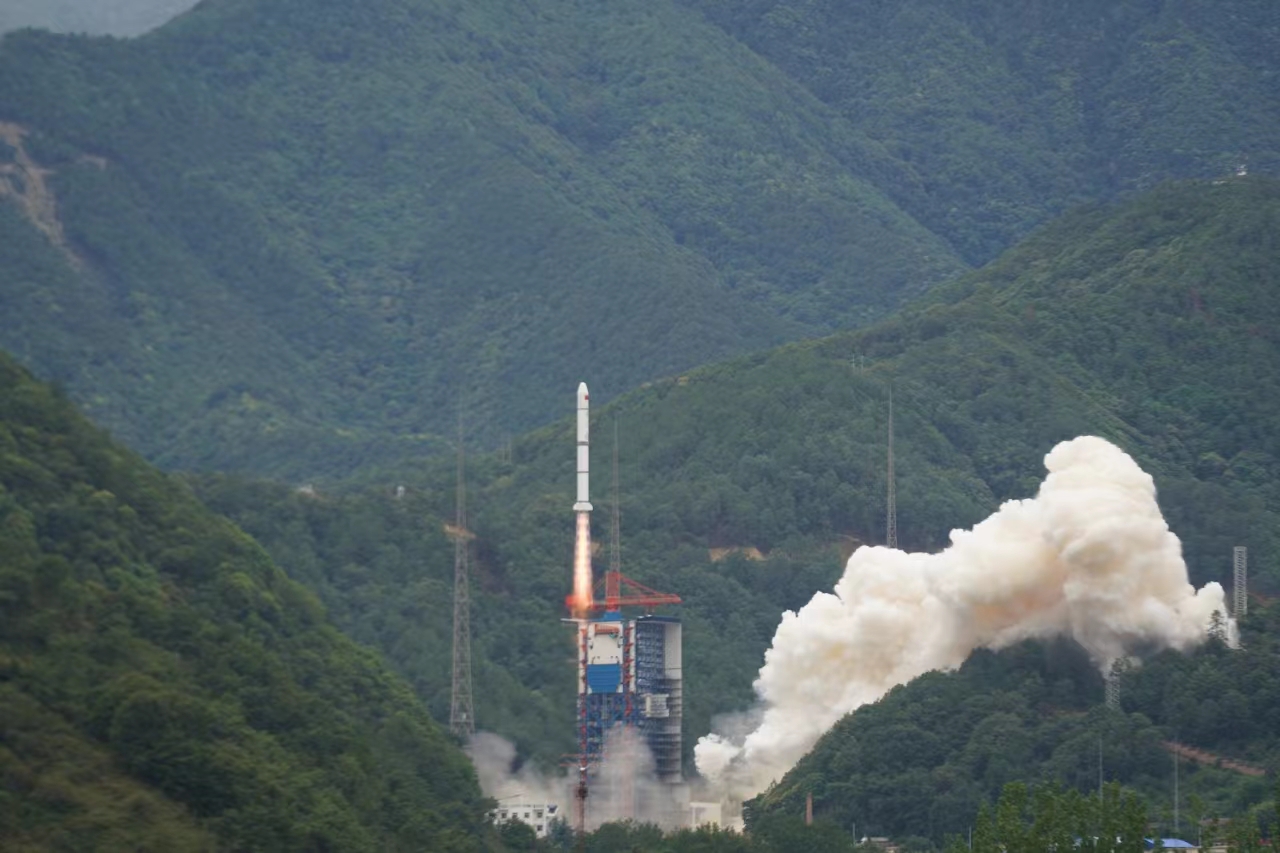
Top Stories Tamfitronics A Long March 2C carrying the SVOM astrophysics satellite lifts of from Xichang, June 22, 2024. Credit: CNSAHausjrvi, FINLAND A Chinese launch of the joint Sino-French SVOM mission to study Gamma-ray bursts early Saturday saw toxic rocket debris fall over a populated area.A Long March 2C rocket lifted off from Xichang Satellite Launch Center at 3:00 a.m. Eastern (0700 UTC) June 22, sending the Space Variable Objects Monitor (SVOM) mission satellite into orbit.The launch was declared successful by the China Aerospace Science and Technology Corporation (CASC) a short time after liftoff.Gamma-ray bursts (GRBs) are violent electromagnetic explosions which can release as much energy in a few seconds as the Sun will emit over its entire 10-billion-year lifetime.SVOM is a collaboration between the China National Space Administration (CNSA) and Frances Centre national dtudes...
Continue reading
Synspective raises $44 million Series C round
Top Stories

Synspective raises $44 million Series C round

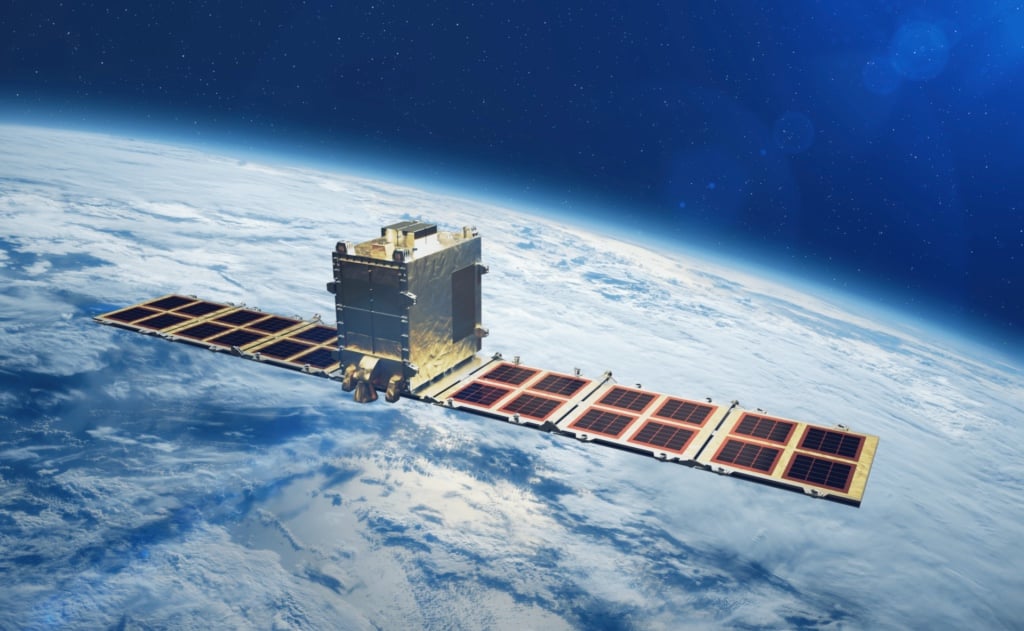
Top Stories Tamfitronics Japanese company Synspective has a goal of operating as many as 30 SAR satellites by the end of the decade. Credit: SynspectiveWASHINGTON Japanese radar imaging company Synspective has raised 7 billion yen ($44 million) in a Series C round intended to fuel the expansion of its satellite constellation.The Tokyo-based company announced June 20 it raised the Series C round led by Japan Growth Capital Investment Corporation, managed by Nomura SPARX Investment, Inc., as well as investment limited partnerships operated by JAFCO Group Co., Ltd. and by Mizuho Capital Co., Ltd. Several other institutional and individual investors participated in the round.Synspective, which has launched four synthetic aperture radar (SAR) imaging satellites to date, says it will use the funding to ramp up production of satellites, develop satellite data solutions and expand its...
Continue reading
X-Bow to develop solid rocket motors for U.S. Navy Standard missiles
Top Stories

X-Bow to develop solid rocket motors for U.S. Navy Standard missiles

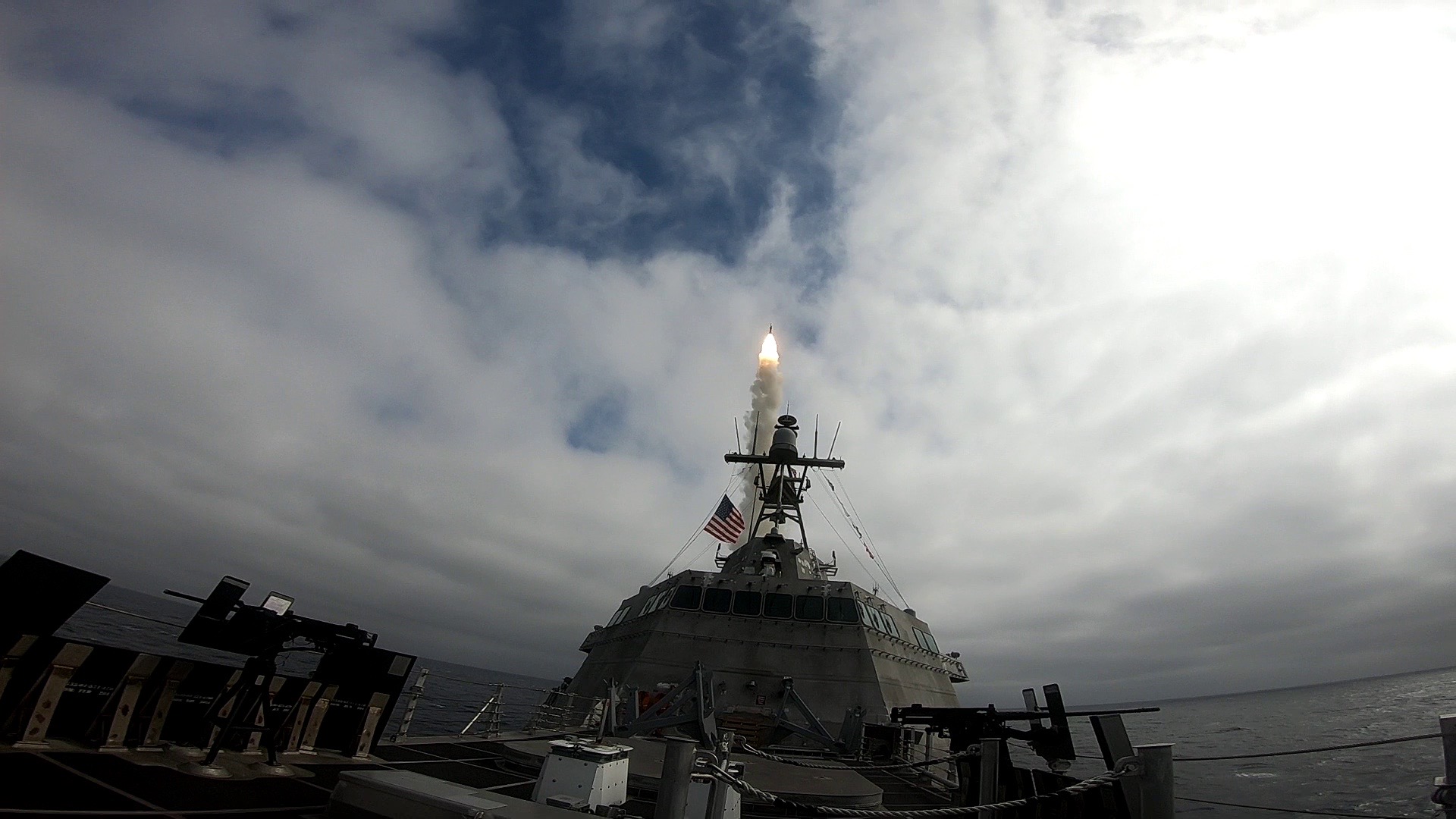
Top Stories Tamfitronics The USS Savannah (LCS 28) launches a Standard missile from a containerized launching system during a live-fire demonstration in the eastern Pacific Ocean, Oct. 24, 2023. Credit: U.S. Navy photoWASHINGTON X-Bow Systems announced it will develop solid rocket motors for the Standard missile, the U.S. Navy’s primary surface-to-air weapon for anti-air warfare and ballistic missile defense.The company received two contracts, one for $3.3 million to develop solid rocket motors for the Standard missiles Mk 72 booster, and $4 million for solid rocket motors for the Mk 104 second stage.X-Bow Systems will develop new designs for the Mk 72 and Mk 104 solid rocket motors, Jason Hundley, X-Bow CEO, said in a statement.The company specializes in solid rocket motors and small launch vehicles for orbital and suborbital launch services. Headquartered in Albuquerque,...
Continue reading
Rocket Lab launches first Kinéis satellites on 50th Electron
Top Stories

Rocket Lab launches first Kinéis satellites on 50th Electron

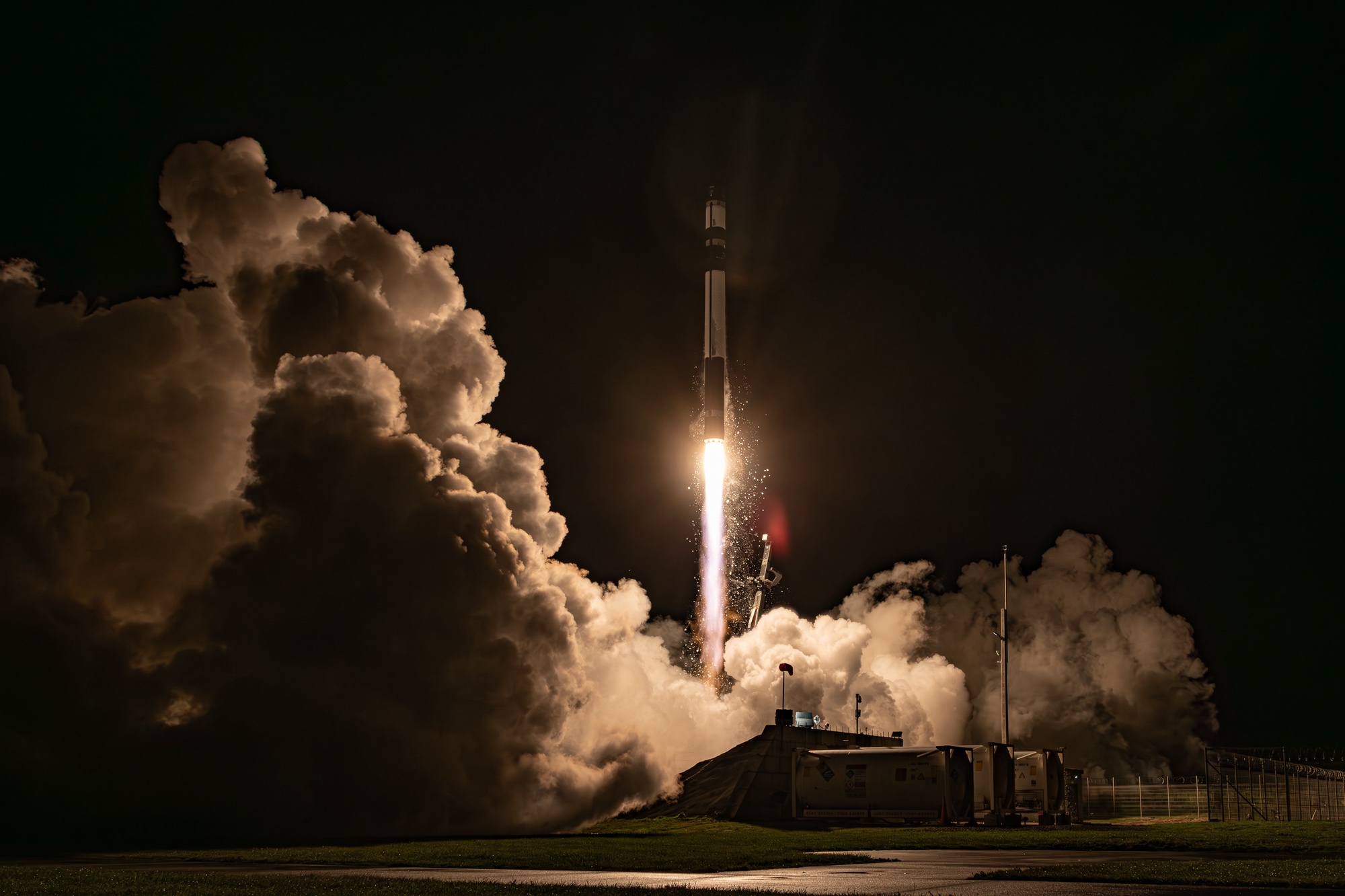
Top Stories Tamfitronics A Rocket Lab Electron lifts off June 20 on the 50th flight of the rocket, carrying five Kinéis smallsats. Credit: Rocket LabWASHINGTON — Rocket Lab successfully launched the first set of satellites for a French startup June 20 on the 50th flight of its Electron rocket.The Electron lifted off from Rocket Lab’s Launch Complex 1 in New Zealand at 2:13 p.m. Eastern, carrying five Internet of Things (IoT) satellites for French company Kinéis. Those satellites were deployed from the Electron’s kick stage about an hour later into orbits at an altitude 635 kilometers and inclination of 98 degrees.The launch is the first of five Rocket Lab will perform for Kinéis under a contract announced in September 2021. Each launch will place five satellites weighing 28 kilograms each into orbit to build out...
Continue reading