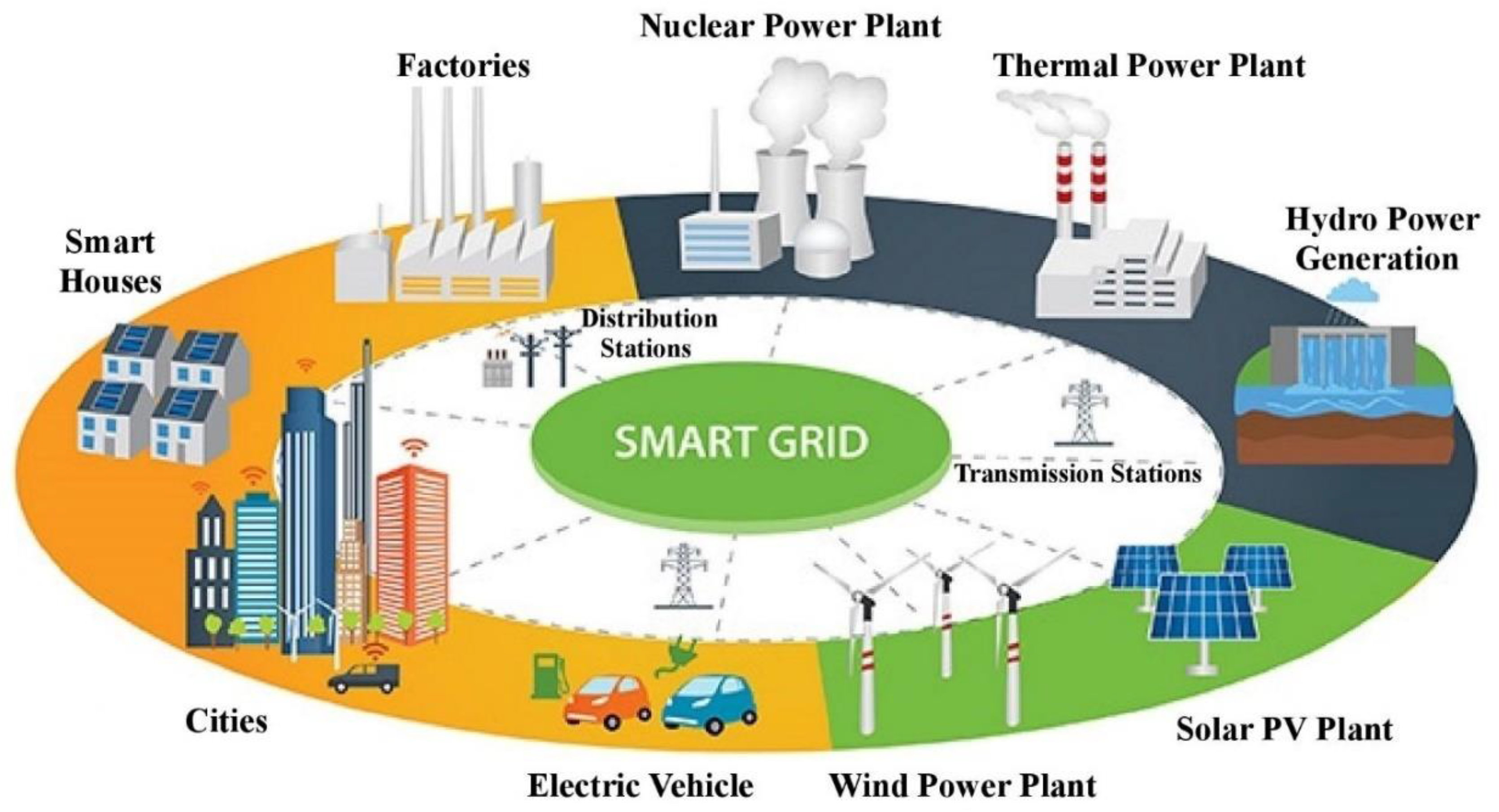
Tag: sector

  • AI in Oil, Gas and Engery Operations

    AI in Oil, Gas and Engery Operations

    AI in Oil, Gas and Energy Operations

    The global energy sector is undergoing a transformative shift as artificial intelligence (AI) technologies become increasingly integrated into oil, gas, and energy operations. This integration is not merely a trend but a necessary evolution to meet the growing demand for energy, reduce operational costs, and enhance safety standards. In this article, we delve into the current state of AI in the industry, explore its applications, and provide actionable insights for businesses aiming to leverage AI’s potential.

    The Evolution of AI in the Energy Sector

    AI’s journey in the oil, gas, and energy industries has been marked by significant milestones. Initially used for data analysis and predictive modelling, AI has expanded its role to include advanced applications such as autonomous drilling, real-time monitoring, and predictive maintenance.

    Early Adoption and Growth

    In the early stages, AI was primarily utilised for seismic data interpretation and reservoir management. The ability to process and analyse large datasets allowed companies to make informed decisions about drilling locations and extraction methods. According to a report by McKinsey, AI adoption in the oil and gas sector can potentially increase cash flow by $1 trillion by 2030, underscoring its economic impact.

    Current Landscape

    Today, AI technologies are embedded in various facets of energy operations. The International Energy Agency (IEA) notes that AI contributes to a 5% to 10% efficiency improvement in energy production, which is significant when considering the scale of global energy demands. AI’s capabilities in predictive analytics, machine learning, and automation are driving this efficiency, making operations more cost-effective and environmentally friendly.

    Key Applications of AI in Oil, Gas, and Energy

    AI’s versatility allows it to be applied across the entire value chain of oil, gas, and energy operations. From exploration to production and maintenance, AI is enhancing efficiency, reducing costs, and improving safety.

    Exploration and Production

    Seismic Data Analysis

    AI algorithms excel in processing vast amounts of seismic data to identify potential oil and gas deposits. Traditional methods of seismic data analysis were time-consuming and prone to human error. In contrast, AI can rapidly analyse data with a high degree of accuracy, reducing exploration time and costs.

    Drilling Optimisation

    AI is used to optimise drilling operations by predicting equipment failures and suggesting optimal drilling paths. This capability not only improves efficiency but also reduces the environmental impact by minimising the number of drilling attempts.

    Real-Time Monitoring and Predictive Maintenance

    Equipment Monitoring

    AI-driven sensors and IoT devices provide real-time monitoring of equipment health. By analysing data from these sensors, AI systems can predict equipment failures before they occur, allowing for proactive maintenance and reducing downtime. According to a study by Deloitte, predictive maintenance can reduce maintenance costs by up to 30% and decrease unexpected breakdowns by 70%.

    Pipeline Monitoring

    AI’s ability to monitor pipelines in real time is crucial for preventing leaks and ensuring safety. Machine learning models can detect anomalies in pipeline operations, triggering alerts for potential issues. This capability is vital for averting environmental disasters and maintaining operational integrity.

    Enhancing Safety and Environmental Compliance

    Hazard Detection

    AI technologies are instrumental in identifying potential hazards in operational environments. By analysing environmental data, AI systems can predict adverse weather conditions or detect leaks and emissions, enabling companies to take preventive measures.

    Emission Control

    With increasing regulatory pressures to reduce carbon emissions, AI offers solutions for monitoring and managing emissions. AI algorithms can optimise energy consumption and reduce emissions by adjusting operational parameters in real time.

    Challenges and Considerations

    Despite the promising benefits, integrating AI into oil, gas, and energy operations presents several challenges. Organisations must address these issues to fully capitalise on AI’s potential.

    Data Quality and Integration

    The effectiveness of AI systems is heavily reliant on the quality of data. Ensuring data accuracy, consistency, and availability is crucial for successful AI implementation. Companies must invest in data management systems that facilitate seamless data integration across various platforms.

    Cybersecurity Concerns

    As AI technologies become more embedded in operational infrastructures, cybersecurity becomes a critical concern. Protecting sensitive data and AI systems from cyber threats is essential to maintaining operational security and integrity.

    Workforce Adaptation

    The integration of AI requires a shift in workforce skills. Employees must be trained to work alongside AI technologies, necessitating investment in education and training programmes. This adaptation is vital to maximise productivity and harness the full potential of AI.

    Actionable Insights for Businesses

    To effectively integrate AI into oil, gas, and energy operations, businesses should consider the following strategies:

    Develop a Clear AI Strategy

    A well-defined AI strategy is essential for guiding implementation efforts. This strategy should outline the objectives, scope, and expected outcomes of AI initiatives. It should also address potential challenges and set clear benchmarks for success.

    Invest in Talent and Training

    Recruiting skilled professionals and investing in training programmes are crucial for successful AI integration. Companies should focus on building a workforce capable of leveraging AI technologies to their fullest potential.

    Foster a Culture of Innovation

    Encouraging a culture that embraces innovation and change is key to successful AI adoption. Organisations should promote experimentation and collaboration across departments to drive AI initiatives and discover new opportunities.

    Collaborate with Technology Partners

    Partnering with technology providers can accelerate AI implementation and provide access to cutting-edge tools and expertise. Collaborations with AI vendors, research institutions, and industry consortia can enhance capabilities and drive innovation.

    Future Outlook

    The future of AI in the oil, gas, and energy sectors is promising, with continued advancements expected to further transform operations. AI’s potential to enhance energy efficiency, reduce costs, and improve safety makes it an indispensable asset for the industry.

    Emerging Trends

    AI technologies are continually evolving, with emerging trends such as digital twins, augmented reality, and advanced robotics poised to revolutionise energy operations. These technologies offer new ways to visualise and interact with complex systems, providing deeper insights and enhancing decision-making.

    Sustainability and Decarbonisation

    AI will play a pivotal role in the industry’s efforts towards sustainability and decarbonisation. By optimising processes and reducing emissions, AI can help companies meet regulatory requirements and contribute to global sustainability goals.

    Conclusion

    AI is no longer a futuristic concept but a present-day reality reshaping the oil, gas, and energy sectors. Its applications in exploration, production, and maintenance are driving efficiency, cost savings, and safety improvements. However, to fully exploit AI’s potential, companies must address challenges related to data quality, cybersecurity, and workforce adaptation. By developing a clear strategy, investing in talent, fostering innovation, and collaborating with technology partners, businesses can successfully integrate AI and position themselves for future success.

    As the industry continues to evolve, AI’s role will expand, offering new opportunities for growth and sustainability. Embracing AI is not just a competitive advantage but a necessity for thriving in the modern energy landscape.

  • AI in Energy: Driving Efficiency and Sustainability in 2025

    AI in Energy: Driving Efficiency and Sustainability in 2025

    Artificial Intelligence (AI) is transforming the energy sector by improving efficiency, reducing costs, and supporting sustainability initiatives. In 2025, AI-driven technologies are optimising energy generation, distribution, consumption, and renewable integration, enabling smarter and greener operations across the globe.

    AI Energy Management

    AI in Power Generation

    AI helps power plants operate efficiently by predicting demand and optimising output:

    • Predictive maintenance detects equipment issues before failure occurs.
    • Load forecasting ensures power generation matches consumption patterns.
    • AI-assisted plant operations optimise fuel use and reduce emissions.

    These applications save costs and enhance the reliability of energy supply.

    AI Power Plant

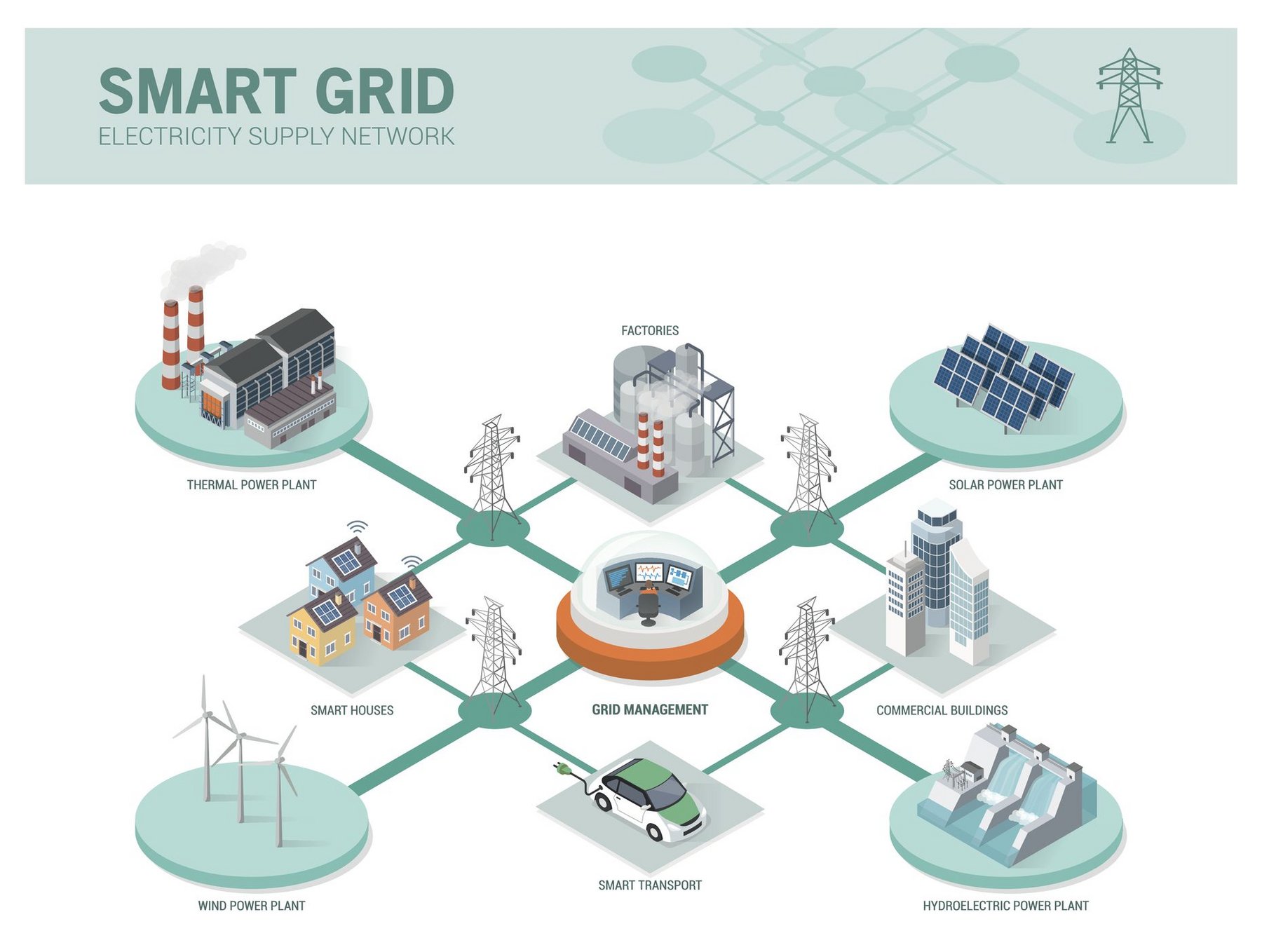
    Smart Grids and Distribution

    AI enables smart grid technology to manage electricity distribution more effectively:

    • Real-time monitoring detects faults and optimises power flow.
    • Demand response systems adjust energy usage during peak periods.
    • Integration of distributed energy resources such as solar and wind.

    Smart grids improve reliability, reduce outages, and lower operational costs.

    AI Smart Grid

    Renewable Energy Optimisation

    AI supports the growth of renewable energy by predicting generation and improving storage:

    • Solar and wind forecasting predicts energy output based on weather patterns.
    • Energy storage management ensures consistent supply during fluctuations.
    • Grid balancing algorithms integrate renewable sources efficiently with conventional power.

    These tools make renewable energy more viable and reduce reliance on fossil fuels.

    AI Renewable Energy

    AI in Energy Consumption

    Industries and households benefit from AI-driven energy management:

    • Smart meters and IoT devices track and optimise energy usage.
    • Predictive algorithms recommend energy-saving measures.
    • Automated control systems reduce waste and improve efficiency.

    AI empowers users to consume energy more intelligently and sustainably.

    AI Smart Energy Usage

    Safety and Risk Management

    AI enhances safety in the energy sector:

    • Hazard detection monitors for equipment malfunctions or environmental risks.
    • Predictive analytics prevents accidents and ensures compliance with safety regulations.
    • Emergency response planning improves readiness for natural disasters or operational incidents.

    These applications protect workers, assets, and the environment.


    Challenges and Considerations

    Despite its advantages, AI in energy comes with challenges:

    • Data privacy and cybersecurity must be safeguarded to protect critical infrastructure.
    • High implementation costs may deter smaller organisations.
    • Skill gaps require training personnel to manage and interpret AI systems effectively.

    Responsible adoption ensures AI enhances operations without introducing new risks.


    Future of AI in Energy

    By 2030, AI is expected to:

    • Fully integrate renewable and conventional energy systems.
    • Optimise energy consumption across cities, industries, and households.
    • Predict and mitigate environmental impacts in real-time.

    The energy sector that embraces AI will lead in efficiency, cost reduction, and sustainability.

    AI Future Energy

    Conclusion

    AI is driving efficiency and sustainability in the energy sector in 2025. By optimising generation, distribution, consumption, and safety, AI enables greener, smarter, and more cost-effective energy systems.

    At Tamfis AI Store, we provide AI tools, modules, and prompt bundles tailored for the energy sector. Explore our marketplace to implement AI solutions that optimise energy operations and promote sustainable growth.

    👉 Explore AI Energy Solutions

  • Communications sector contributes 5.8% to GDP in FY 2023/24: Talaat

    Communications sector contributes 5.8% to GDP in FY 2023/24: Talaat

    Technology tamfitronics

    Amr Talaat, Egypts Minister of Communications and Information Technology, has emphasized that the success of Egypts communications and IT sector is built on its human capital and expertise, which have been driving growth for six consecutive years. Thanks to the skills of those working in this field, the sector’s contribution to Egypts GDP has risen significantlyfrom 3.2% six years ago to 5.8% last fiscal year.

    Talaat delivered these remarks during the Tech Heritage IBM Business Partners Forum and the celebration of IBMs 70th anniversary in Egypt. The event was attended by Sherif Farouk, Minister of Supply and Internal Trade; Ghada Labib, Deputy Minister for Institutional Development; Raafat Hindi, Deputy Minister for Infrastructure Development and Digital Transformation; Bakr El-Bayoumi, Deputy Minister for Research and Technological Planning; Ahmed Elzaher, CEO of the Information Technology Industry Development Agency (ITIDA); Mohamed Nasr, CEO of Telecom Egypt; Hoda Baraka, advisor to the Minister for technology skill development; Ahmed Khattab, Director of the National Telecommunications Institute; Saad Toma, General Manager of IBM Middle East and Africa; and Jonah Smith, IBM Vice President of Environmental, Social, and Governance Strategy and Programs.

    Technology tamfitronics Communications sector contributes 5.8% to GDP in FY 2023/24: Talaat

    Minister Talaat highlighted the long-standing legacy and promising future of Egypts communications and IT sector, tracing its roots nearly 170 years to the founding of the Egyptian Telegraph Company (now Telecom Egypt) in 1854. Egypts first telegraph line marked the beginning, followed by the establishment of the Egyptian Postal Service in 1865 and Egypts membership in the International Telecommunication Union as one of its earliest 20 members. By 1881, Egypt had installed its first telephone line, just five years after the telephone patent was granted. The sector’s global advancement continued through the 20th century with the advent of commercial computers and a cascade of innovations.

    Egypts position in fixed internet speed across Africa has impressively improved from 40th place six years ago to 1st place over the past two years. Egypt also advanced from the World Banks “C” to “A” category in the Government Digital Transformation Readiness Index and is now among the top 12 countries in cybersecurity.

    Outsourcing has grown considerably in Egypt, with the workforce in this sector rising from 90,000 to over 140,000 specialists exporting digital services worldwide within two years. The scope of outsourcing has expanded from traditional call centres, established 25 years ago, to software services and high-value offerings like electronic circuit design, semiconductor development, and embedded software for vehicles. Egyptian outsourcing exports surged by 54% in a single year. Additionally, Egypt attracted five global companies to manufacture mobile phones and tablets domestically, achieving over 40% local value addition.

    Talaat noted the progress of Egypt’s national AI strategy, three years ago. He highlighted the Applied Innovation Centers role in developing AI applications across healthcare, agriculture, environmental management, and water resources. Egypt has risen 49 ranks in the Government AI Readiness Index. Additionally, the “Digital Egypt Innovation Hubs” project, launched in 2019, aims to foster an environment that supports innovation. This initiative has expanded Egypts network of innovation centres from three hubs six years ago to 23 centres and tech incubators, with one in each governorate.

  • Mumbai’s BFSI Sector Gears Up for Transformation at the 24th Edition of BFSI IT Summit, Business News

    Mumbai’s BFSI Sector Gears Up for Transformation at the 24th Edition of BFSI IT Summit, Business News

    Business new tamfitronics

    MUMBAI, INDIA, July 4, 2024 – (ACN Newswire) – The banking, financial services, and insurance (BFSI) sector in Mumbai is currently undergoing a profound transformation, fueled by rapid technological advancements and a significant increase in digital adoption. Emphasizing a strong commitment to digitalization, key stakeholders in Mumbai are championing initiatives akin to advancements in digital payments and the establishment of the Digital Banking Transformation Office. These efforts are propelling the BFSI landscape forward, fostering innovation and paving the way for sustained growth and competitiveness in the region.

    The summit serves as a strategic platform to delve into critical themes shaping the future of finance, such as digital payments innovation, cybersecurity resilience, AI and machine learning integration, cloud computing strategies, and enhancing customer experiences in digital banking. Participants can expect insightful discussions, keynote addresses from industry experts, and ample networking opportunities aimed at fostering collaboration and driving digital transformation in Mumbai’s BFSI ecosystem.

    Aligned with global trends and local imperatives, the summit aims to propel Mumbai’s BFSI sector towards greater efficiency, resilience, and customer-centricity. It promises to be a catalyst for innovation, offering attendees a unique chance to explore emerging technologies, share best practices, and chart a course towards sustainable growth in the dynamic landscape of banking, financial services, and insurance.

    About the 23rd Edition of BFSI Summit

    The 24th Edition of the BFSI Summit marks a pivotal moment in the advancement of the banking, financial services, and insurance sector in Mumbai. This prestigious event serves as a gathering point for esteemed technology and innovation leaders within the BFSI community, offering an exclusive opportunity to explore current trends, confront challenges, and seize emerging opportunities that define the industry’s trajectory. By prioritizing the imperative of digital transformation and leveraging cutting-edge technology, the summit is poised to empower attendees with indispensable resources and perspectives essential for navigating the dynamic landscape of BFSI in Mumbai.

    VIP Speaker:

    – Sumnesh Joshi, Deputy Director General (Joint Secretary Level)Ministry of Communications Government of India

    Speakers:

    • Vishal Bhatia, Chief Digital OfficerCanara Bank
    • Ajay Poddar, CTO for Retirement TechHDFC Life
    • Arnab Biswas, Chief Information Security OfficerAxis Securities Limited
    • Aastha Arora, Vice PresidentThe London Institute of Banking & Finance (India)
    • Amit Pradhan, Vice President – Partnerships & AlliancesThe London Institute of Banking & Finance India

    For more information about the BFSI IT Summit 2024, please visit https://bfsiitsummit.com/india/.

    About Exito

    Exito, meaning success in Spanish, is committed to the success of its customers. Hosting over 240 virtual and in-person conferences globally each year, Exito brings together audiences with world-class thought leaders and C-level executives across industries. Crafted with meticulous attention to detail and based on extensive research and industry insights, Exito’s conferences facilitate business, knowledge transfer, deal flow, and impactful messaging for brands.

    For Media Enquiries, contact:
    Kasturi Nayak (Sr. Marketing Executive)
    Email: Kasturi.nayak@exito-e.com
    Enquiry@exito-e.com

    Copyright 2024 ACN Newswire. All rights reserved. www.acnnewswire.com

Our Portfolio

Latest Questions

Categories

TAGS

Contacts

Miscellaneous

Categories

SWITCH CURRENCY