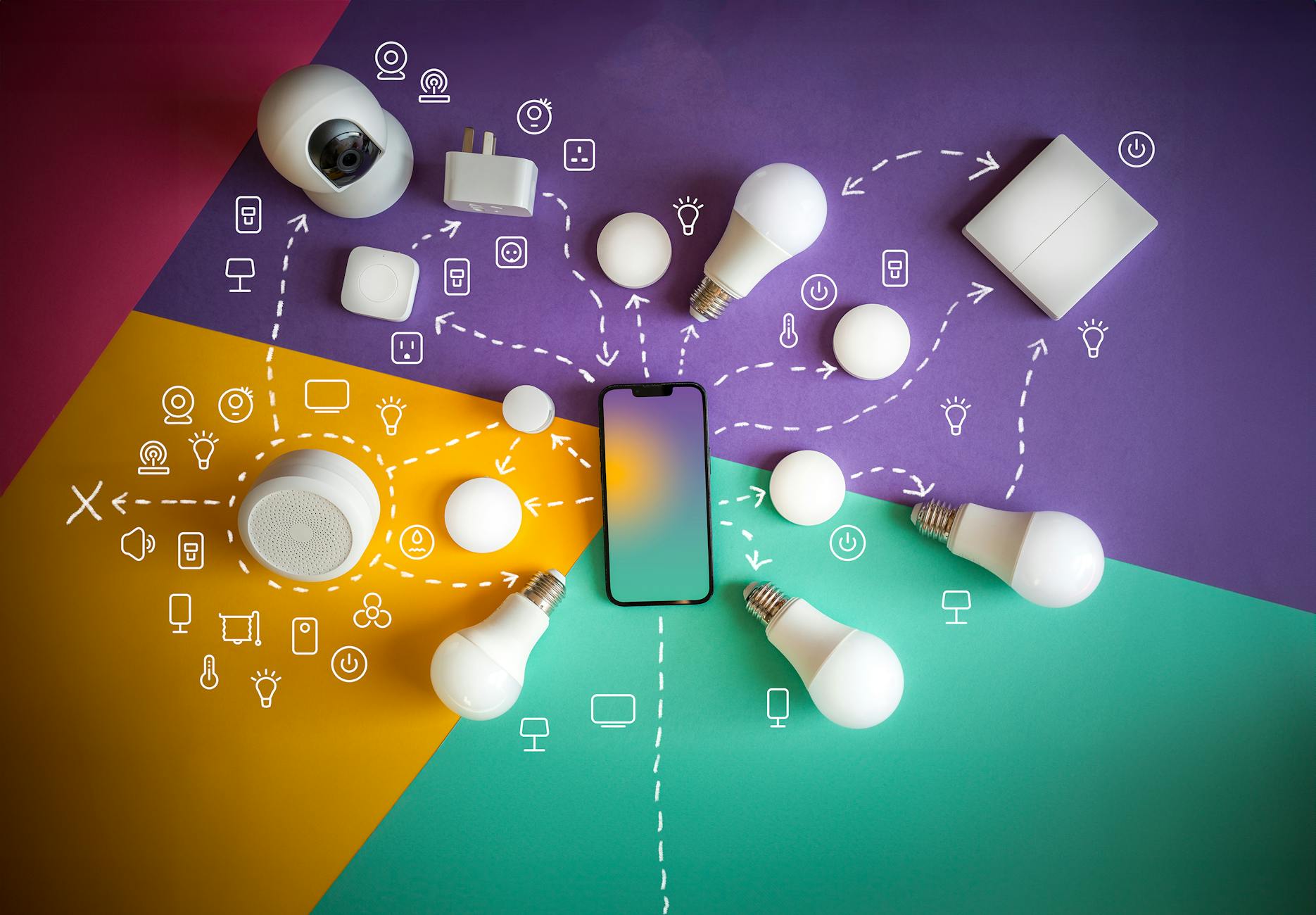
The Internet of Things (IoT) is revolutionising every sector — from agriculture to aerospace. But nowhere is its impact more profound than in electrical systems, both at the residential and industrial level. By enabling devices to communicate, collect data, and react in real-time, IoT is ushering in a new era of smart, efficient, and self-regulating electrical networks.
In this blog, we explore how IoT and smart technologies are transforming electrical systems, with practical applications, real-world benefits, and future trends to watch.
smart grid connected to IoT devices
1. What Is the Internet of Things (IoT) in Electrical Systems?
At its core, IoT in electrical systems refers to the integration of smart sensors, communication modules, controllers, and cloud platforms that allow electrical devices and infrastructure to exchange data and make intelligent decisions.
This convergence enables:
Remote monitoring
Real-time data collection
Predictive maintenance
Energy optimisation
IoT-enabled electrical components
2. Key Components of IoT-Enabled Electrical Systems
Understanding the architecture of IoT in electrical environments involves several layers:
Vibration, current draw, and temperature sensors predict bearing or insulation failure.
Integrates with PLC/SCADA systems.
c. Energy Management Systems (EMS)
Centralised dashboards with real-time loads from multiple units or plants.
Track power factor, load shedding, and energy KPIs.
d. Power Quality Analysis
IoT devices detect harmonic distortions, flicker, sags, and swells.
Enables corrective actions.
e. Preventive Maintenance
Data-driven maintenance planning (e.g., transformer replaced before insulation breakdown).
Reduces unplanned downtime.
A factory floor with IoT nodes on machines
5. Smart Grids and IoT
The Smart Grid is the future of electrical power distribution — and IoT is its backbone.
Features of Smart Grids:
Two-way communication between utilities and consumers.
Dynamic load balancing.
Renewable energy integration (solar, wind).
Grid fault detection and automated rerouting.
Smart grids employ:
Smart relays and breakers
AMI (Advanced Metering Infrastructure)
Wide-Area Monitoring Systems (WAMS)
A geographic map of a smart grid
6. Benefits of IoT in Electrical Systems
a. Improved Efficiency
Devices adjust automatically to load changes.
Avoid peak-hour surcharges by shifting loads.
b. Reduced Downtime
Predictive alerts lead to timely intervention.
c. Energy Savings
Real-time consumption data leads to behaviour change.
d. Remote Access and Control
Switch off appliances or equipment from anywhere.
e. Scalability
Add more devices to the system easily.
sleek infographic comparing Traditional Systems with IoT-Enabled Systems
7. Security Challenges in IoT-Driven Electrical Systems
With great connectivity comes great vulnerability.
a. Cybersecurity Risks
IoT devices can be hacked if not secured.
Utilities are potential targets for ransomware.
b. Data Privacy
User consumption data can be sensitive.
c. Firmware Vulnerabilities
Many devices don’t receive regular updates.
Best Practices:
Use encrypted communication protocols.
Regular firmware updates.
Network segmentation and firewalling.
cybersecurity shield over the smart grid
8. Real-World Case Studies
a. Smart Meters in the UK
Over 32 million smart meters installed by 2024.
Consumers receive detailed energy reports.
b. Shell’s Remote Monitoring System (Nigeria)
Remote wellhead control using IoT sensors and solar-powered telemetry.
c. Tesla Powerwall and Smart Inverter Integration
Real-time load shifting and grid interaction.
Screenshots of real IoT dashboards or smart meter stats
9. Future Trends in IoT and Smart Electrical Tech
a. AI-Powered Load Forecasting
Combine IoT data with AI for advanced predictions.
b. Blockchain in Energy Transactions
Peer-to-peer solar energy trading using smart contracts.
c. Digital Twins
Virtual replicas of electrical systems that simulate failures.
d. Edge AI
Smarter devices that make local decisions without needing cloud interaction.
futuristic control room illustration
Conclusion
IoT and smart technologies are no longer futuristic — they are reshaping how we manage, maintain, and monitor electrical systems today. From homes to heavy industry, the ability to collect real-time data, respond dynamically, and improve efficiency is a game changer.
Whether you’re a homeowner, technician, or engineer, embracing IoT in your electrical environment isn’t just a smart move — it’s a necessary one.