


Blog
How Wearable Fitness Trackers Improve Heart Health Monitoring

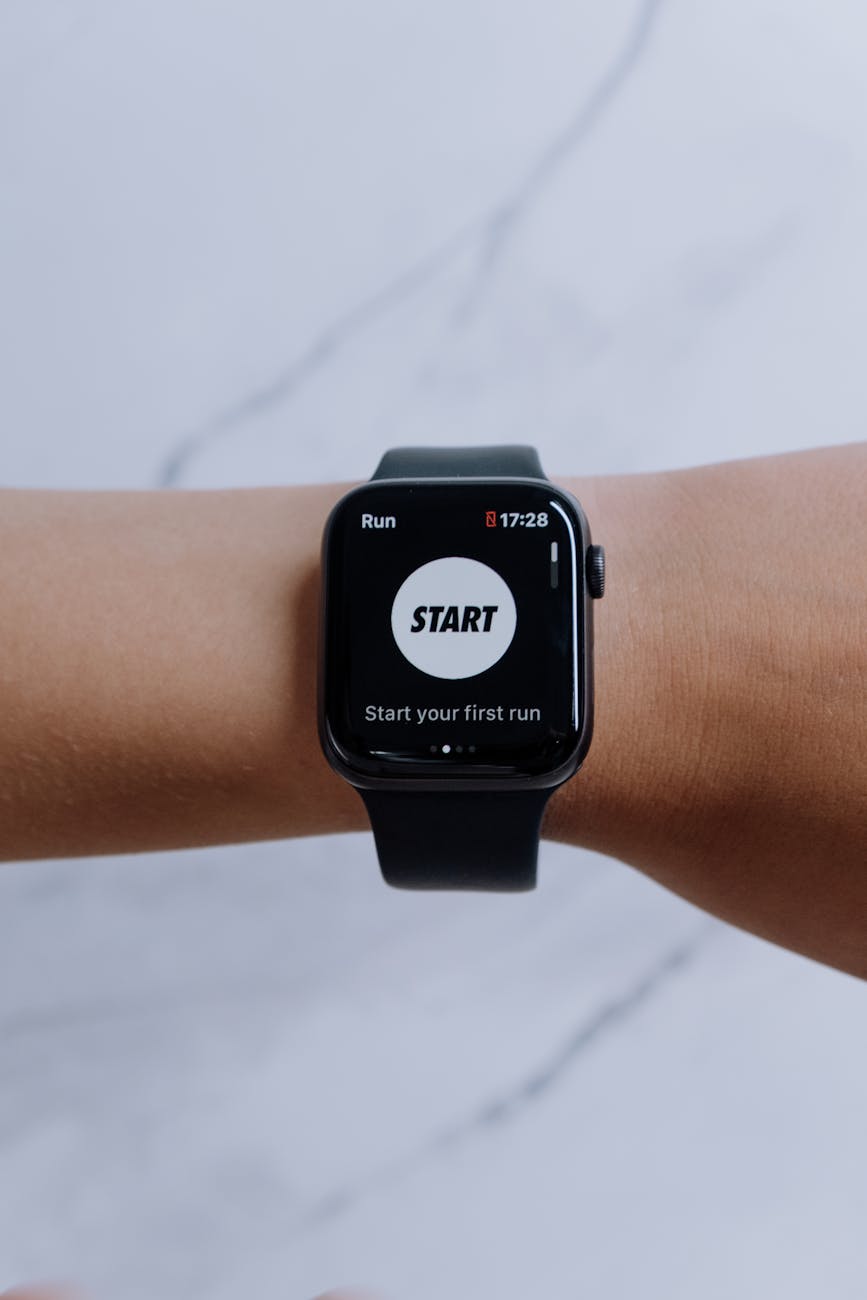
Wearable fitness trackers, once primarily seen as tools for counting steps and tracking calories, are increasingly being recognised by medical professionals and the public alike for their significant role in monitoring heart health. With advancements in technology, these discreet devices are providing individuals with unprecedented access to real-time data, enhancing both personal well-being management and early detection of potential cardiac issues. The growing fitness tracker heart rate accuracy is at the forefront of this revolution.
For many years, heart rate monitoring outside of a clinical setting was cumbersome and often infrequent. Now, fitness trackers equipped with advanced optical sensors can continuously measure heart rate, offering a detailed picture of an individual’s cardiac performance throughout the day and night. This constant stream of data allows users to observe their resting heart rate trends, understand how their heart responds to exercise, and even identify unusual patterns that might warrant medical attention.
“The accessibility of continuous heart rate data through fitness trackers is a game-changer for preventative health,” states Dr. Alistair Finch, a consultant cardiologist at St. Bartholomew’s Hospital in London. “Patients can now bring tangible data to their GP appointments, offering insights into their cardiovascular health that were previously only available through specialised tests. The improvements in fitness tracker heart rate accuracy mean we can increasingly trust this information as a valuable screening tool.”
Beyond basic heart rate, many modern fitness trackers also offer features such as heart rate variability (HRV) tracking, which can provide insights into the body’s stress levels and recovery. Some advanced models can even detect irregularities suggestive of conditions like atrial fibrillation (AFib), a common type of irregular heartbeat that, if left untreated, can lead to serious complications like stroke. While these devices are not designed to be diagnostic tools, their ability to flag potential issues encourages users to seek timely medical advice.
“It’s about empowering individuals to be more proactive about their health,” explains Sarah Jenkins, a certified fitness professional and health coach based in Manchester. “When someone sees their resting heart rate elevate significantly or notices prolonged periods of unusually high heart rate without exertion, it often prompts them to speak to a doctor. This early awareness, facilitated by improved fitness tracker heart rate accuracy, can be crucial.”
However, experts caution that while the technology is impressive, it’s vital to understand its limitations. Fitness trackers are consumer devices and should not replace professional medical diagnosis or advice. Factors such as device fit, skin tone, movement during readings, and ambient temperature can all influence fitness tracker heart rate accuracy.
“While the technology is remarkably good, particularly with newer generations of trackers, it’s important for users to remember these are screening tools, not diagnostic ones,” Dr. Finch advises. “If a tracker consistently shows concerning heart rate patterns, the next step is always to consult a healthcare professional for a proper clinical assessment. Nevertheless, their role in prompting that initial consultation is invaluable.”


